Why Rabbit Farming Is the Next Big Opportunity in Kenya (2026 Guide)
Walk into any agricultural investment meeting and the discussion will almost certainly orbit cattle, dairy, poultry, or pigs. That invisibility is precisely the opportunity.
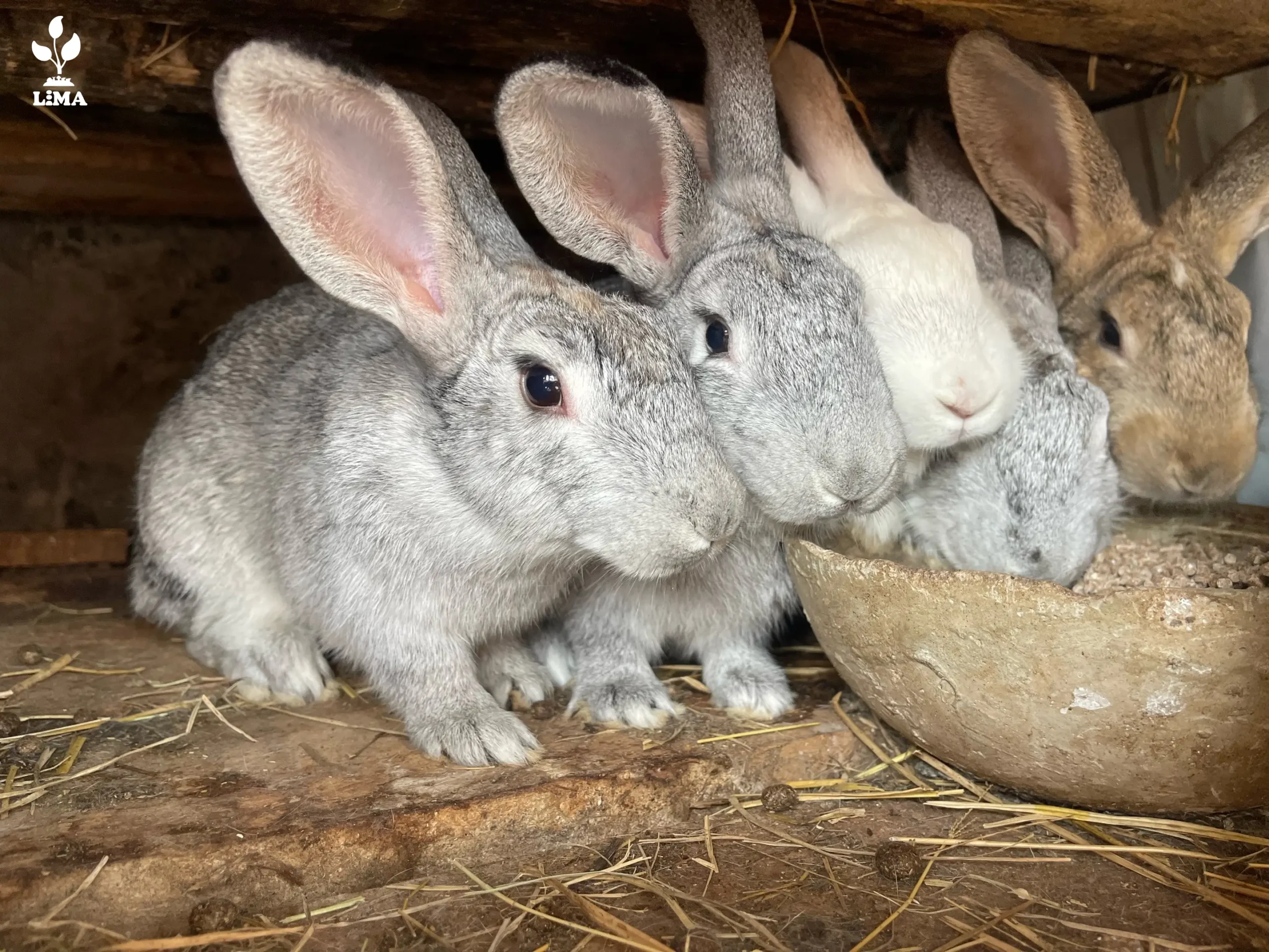
For centuries, rabbits have been quietly raised across African households as a source of meat, yet they remain one of the most overlooked opportunities in modern agriculture. As farmers search for resilient, low-cost livestock options in an era of climate uncertainty and rising feed costs, rabbit farming is quickly gaining well deserved attention .
What makes rabbit farming so compelling? Rabbit meat is lean, nutritious, and increasingly popular among health conscious consumers. Rabbits reproduce quickly, require minimal space, and produce valuable by products making rabbit farming an efficient, low waste agribusiness with impressive profit potential.
This guide explores why rabbit farming is gaining momentum, how farmers can tap into emerging markets, and how digital platforms like the Lima App can simplify marketing and sales.
Low Capital Entry: Startup Costs vs Larger Livestock
One of the most significant barriers to conventional animal agriculture is capital. A single dairy cow can cost KSh 50,000–150,000. A breeding sow runs KSh 10,000–20,000, but requires substantial infrastructure. Beef cattle require land, fencing, and feed at a scale most smallholder farmers cannot immediately access.
Rabbits operate in an entirely different economic tier and that is not a limitation; it is the point.
What Does a Starter Operation Actually Cost?
A functional starter operation producing roughly 80–120 kg of meat per year can be established for KSh 8,000–25,000. A typical bill of materials includes:
- Breeding stock (3 does + 1 buck): KSh 4,000–8,000
- Hutches or wire cages (4 units): KSh 3,000–8,000 (locally fabricated)
- Feeders, water drinkers, nest boxes: KSh 1,000–3,000
- Initial feed supply (3 months of pellets + hay): KSh 2,000–4,000
- Basic tools and bedding: KSh 500–1,500
Compare this to a small scale dairy setup (KSh 80,000+) or a chicken layer operation (KSh 30,000–60,000 for chicks, housing, and feeders). Rabbits are one of the few livestock enterprises where a young farmer with a small plot, a spare outbuilding, or even a well ventilated room can be operational within a single month of deciding to start.
Rabbits also demand dramatically less land. A productive herd of 20 does can be housed in roughly 35–40 square metres of sheltered space. Feed costs are proportionally modest: a 50-kg bag of commercial rabbit pellets (~KSh 2,500) sustains several animals for weeks, and supplementation with kitchen greens, napier grass, and hay can reduce commercial pellet use by 30–50%
How Rabbit Farming Generates Multiple Income Streams
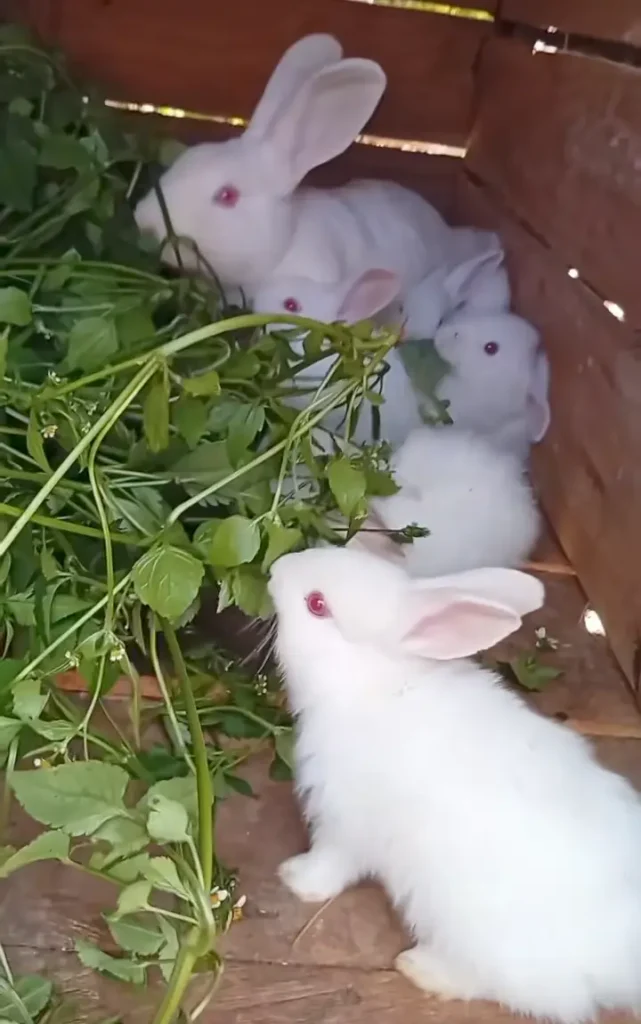
Unlike many livestock businesses that rely on a single product, rabbit farming offers diverse revenue sources.
Meat: The Anchor Revenue Stream
Rabbit meat is nutritionally exceptional, containing more protein (21g per 100g) than chicken, beef, or pork, with less fat and fewer calories than all three. It’s also naturally antibiotic-free in small operations and compatible with a wide range of dietary preferences, including halal and kosher certification pathways.
In Nairobi and other East African cities, whole rabbit retails at KSh 600–900 per kg at specialty butcheries and farmers markets, with premium restaurant cuts commanding significantly more. A single fryer rabbit yielding 1.5–2 kg of dressed meat thus generates KSh 900–1,800 per animal in direct to consumer channels.
Fur & Angora Fiber: The Premium Niche
Not all fur is created equal, and not all rabbit farms operate in the commodity fur market. Angora rabbits represent a particularly attractive niche. They produce 8–16 ounces of ultra-fine fiber per animal each year, harvested through gentle shearing every 90 days. At roughly KES 1,300–2,100 per ounce, a single productive Angora rabbit can generate about KES 10,400–33,300 per year from fiber alone, without ever going to slaughter.
Rex rabbit pelts, known for their exceptionally dense and velvety texture, are valued in specialty leather and craft markets at approximately KES 650–1,950 per pelt. While the global commodity fur market has declined in some regions due to ethical concerns, demand within artisan crafts, handcraft industries, and small textile producers continues to grow steadily.
Manure: The Overlooked Gold Mine
Rabbit manure is one of the most prized organic soil amendments available and most small scale farmers treat it as a byproduct rather than a product. That’s a significant missed opportunity. Unlike chicken, pig, or cattle manure, rabbit droppings are cold manure, meaning they can be applied directly to garden beds without composting or risk of burning plants.
Breeding Stock: The High Margin Capstone
Breeding rabbits can be highly profitable, especially when selling high-quality breeds to new farmers.
Breeding rabbits can sell for significantly higher prices than meat rabbits, particularly when marketed as improved genetic stock.
Emerging Markets: The Sustainable Protein Wave
The global protein economy is undergoing a structural shift. Climate change, land degradation, water scarcity, and growing middle-class incomes across Africa and Asia are reshaping both consumer preferences and institutional purchasing policies. In this environment, rabbit meat sits at a compelling intersection: it satisfies demand for clean-label, nutritionally dense, humanely raised protein with a dramatically lower environmental footprint than conventional livestock.
Why Rabbit Wins on Sustainability Metrics
- Feed conversion: Rabbits produce 1 kg of meat from approximately 3 kg of feed. Beef requires 7 kg of feed for the same output.
- Water footprint: Producing 1 kg of rabbit meat uses roughly 3,400 litres of water, versus 15,400 litres for beef a critical advantage in water stressed regions of Kenya.
- Land use efficiency: Rabbits generate more edible protein per acre than any mainstream livestock species, including broiler chicken.
- Carbon footprint: Rabbit production emits an estimated 5-8x less greenhouse gases per kilogram of protein than beef, making it attractive to institutional buyers with sustainability mandates.
Market Growth in East Africa
Urban demand for rabbit meat in Kenya, Uganda, and Tanzania has grown steadily over the past decade, driven by the expansion of health conscious middle-class households, the rise of specialty butcheries, and an active food blogger and nutritionist community promoting rabbit as a “superfood protein.” The global rabbit meat market was valued at approximately USD 8.7 billion in 2024, with East Africa representing one of the highest growth sub-segments.
Additionally, international NGOs, county governments, and agricultural development programs particularly those supported by the Kenya Agricultural and Livestock Research Organization (KARLO) are actively promoting rabbit rearing as a solution to household protein insecurity. This growing institutional support is helping to accelerate the expansion of the rabbit farming sector.
How to Market Your Rabbits
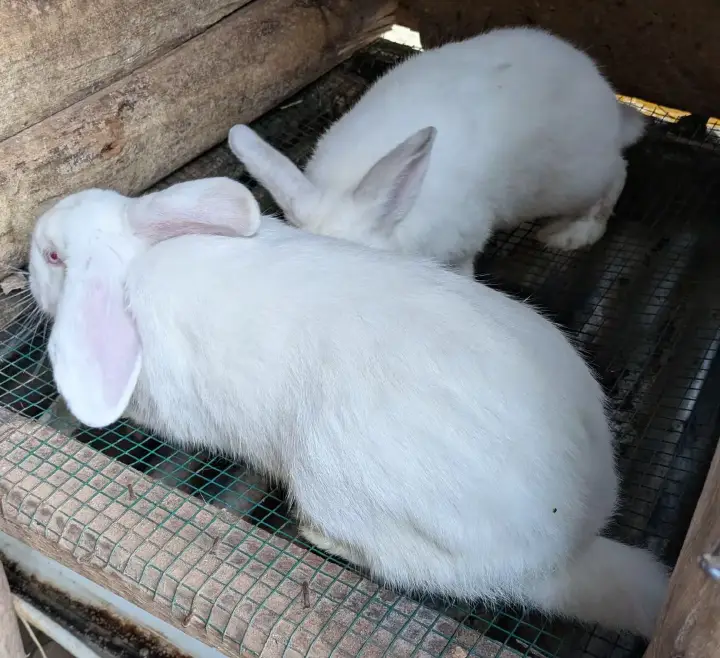
Producing quality rabbits is only half the equation. The other half is finding buyers, setting fair prices, and building a reliable customer base, which has historically been one of the biggest obstacles for small scale farmers in Kenya. The Lima app is one of the most promising digital tools helping to close this gap.
Lima is an innovative online marketplace that connects farmers directly with buyers, enabling them to sell produce, products, and services more efficiently while avoiding middlemen and keeping a larger share of their earnings. For rabbit farmers, the platform’s dedicated Animals section includes livestock, meat, hides, and dairy, making it a natural marketplace for every output a rabbit farm can produce.
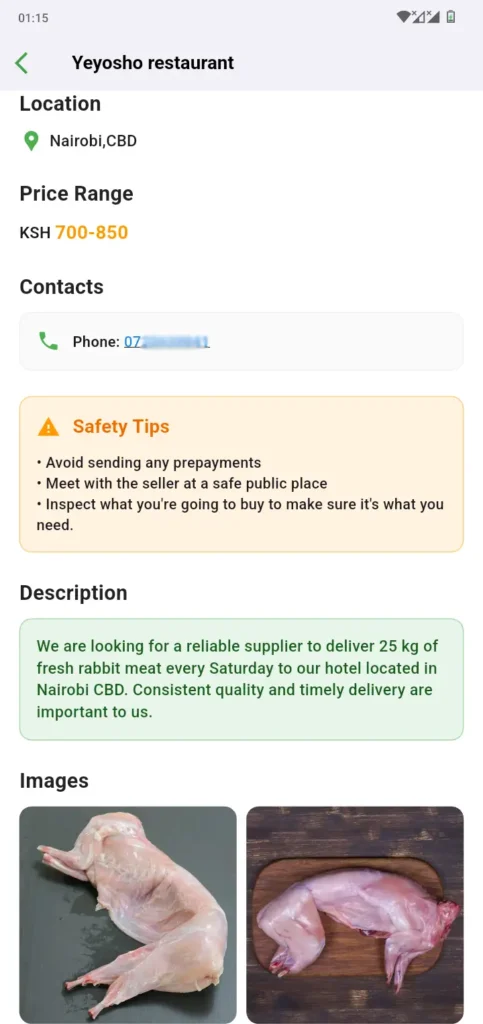
Farmers can also take advantage of the app’s Requests feature, which allows buyers to post the products they need. By monitoring the Product Request page, rabbit farmers can identify opportunities and respond directly. For example, if a local hotel or restaurant is looking for a consistent rabbit meat supplier, farmers can bid for the contract and secure reliable buyers.
Challenges to Consider
Despite its potential, rabbit farming requires careful management.
Common challenges include:
- Disease control
- Feed cost fluctuations
- Market development
- Consistent production supply
Farmers who succeed in rabbit farming usually focus on building a reliable market before expanding production.
Is Rabbit Farming Right for You?
Rabbit farming represents a unique opportunity in modern agriculture. With low startup costs, fast reproduction, multiple revenue streams, and growing global demand for lean protein, rabbits offer a pathway to profitable and sustainable farming.
When combined with digital platforms like the Lima App, farmers can reach buyers more easily and build reliable supply chains.
What begins as a small backyard project can quickly evolve into a thriving commercial enterprise proving that sometimes the most powerful agricultural opportunities come in small packages.
Your next step is smaller than you think.
Three does. One buck. A spare corner of your compound. A Lima shop listing. That’s all it takes to begin. The compound interest of rabbit farming does the rest.