Why Organic Honey and Bee Venom Are Booming in Kenya and East Africa
For generations Kenyan beekeepers have measured success in kilograms of honey. It is a familiar rhythm of harvest process sell and repeat with margins that rarely reflect the labour and care that goes into every hive.
But as we move through 2026 a quiet revolution is unfolding in the Kenyan countryside. The buzz has changed its tune.
Beekeeping is no longer only about the sweetness of the comb. Increasingly attention is turning to the power of the sting. Kenya is entering a new phase of the “liquid gold rush” shifting from traditional honey production to high value Apitoxin (bee venom) extraction. For the modern agripreneur the opportunity has never been sharper.
The Economic Pivot: Why Venom is the New Gold
Traditionally a single hive might yield 15-20 kg of honey per season. At current market rates that is a decent return, but it is still limited by production volume and weather conditions. Bee venom changes the economics entirely.
In early 2026 global demand for bee venom, driven by the pharmaceutical and natural Botox skincare industries, has pushed prices sharply upward. In the newly launched Africa’s First Bee Venom Marketplace in Nairobi a single gram of high purity Kenyan bee venom is fetching upwards of KSh 4,000.
When the numbers are compared the potential becomes clear.
- Traditional Honey Hive:~ about KSh 10,000 – 12,000 per year.
- Modern Integrated Hive (Venom + Honey):~ up to KSh 40,000 per year.
This is not just a small improvement. It represents a fourfold increase in productivity without requiring more land or additional bee colonies.
Why Pairing Venom with Honey Creates a Premium Export Product
Kenyan agri-preneurs hold a strategic advantage that most global competitors cannot replicate: geography and provenance.
Kenya’s regional honeys, particularly the wild raw varieties from Kitui and Baringo counties, carry an authentic story that commands strong premiums in European, North American, and East Asian markets. Honey from Kitui’s dry savannah develops a distinct floral, mineral-rich character shaped by its acacia-dominant landscape. In Baringo, bees forage across semi-arid bushland, producing a dark, robust honey valued for its medicinal qualities and unique flavour profile. Both are traceable to specific Kenyan ecosystems, exactly the type of origin story the premium organic export market seeks.
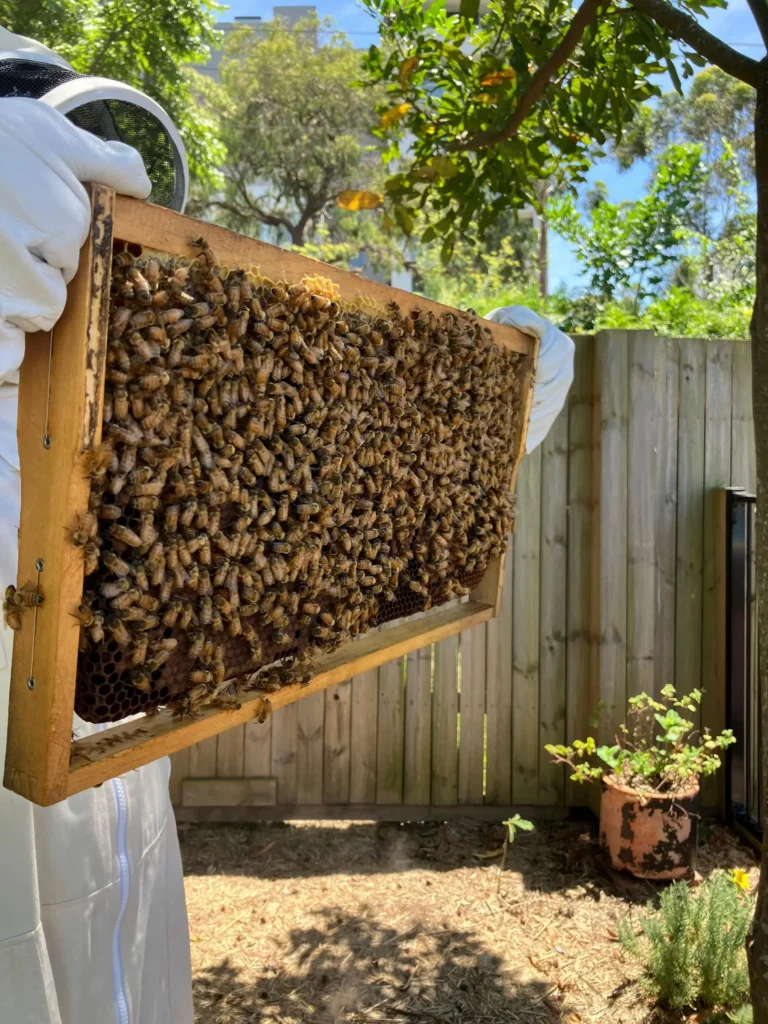
When certified organic Kenyan honey is paired with pharmaceutical-grade bee venom harvested from the same hives and supported by proper traceability and quality documentation, the offering moves beyond a simple commodity. It becomes a provenance-driven apiculture product package that luxury wellness brands, cosmetics manufacturers, and natural health retailers are willing to pay a premium for. The pairing is also operationally efficient, as both products come from the same hives, the same bees, and the same seasonal cycle.
How to Get Started: A Step-by-Step Guide
If you are ready to transition from a traditional hobbyist to a high yield agri-preneur, here is your roadmap to the 2026 bee revolution.
1. Invest in Langstroth Hives
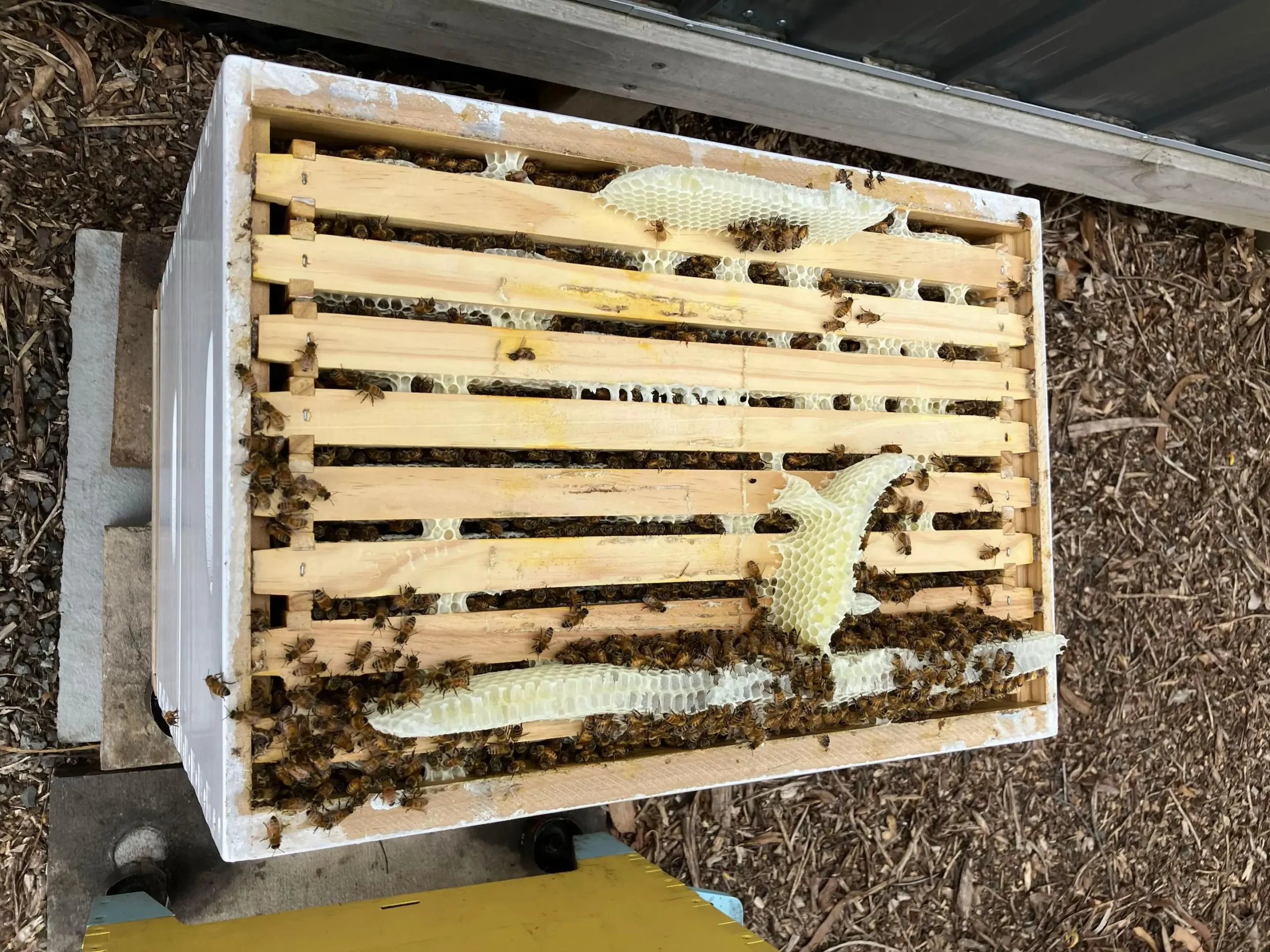
If you are currently using traditional log hives the first step is transitioning to Langstroth hives, the international standard for managed high productivity beekeeping. These modular hives allow beekeepers to insert collector plates used for bee venom extraction.
2. Procure an Electro-Stimulation Collector
Modern extraction is non lethal. Bees sting a glass plate and leave the venom behind without losing their stinger. The equipment needed for this process is widely available and you can easily find suppliers from the various sellers listed on the Lima App.
3. Using Digital Tools to Understand Agricultural Markets
To truly stay ahead of the curve in 2026, savvy producers are turning to the Lima App as their primary market intelligence tool. Rather than spending weeks searching for customers, the app’s Off-Take Hub acts as a digital “Buyer Board” where the market comes to you.
- Direct Access to Big Players: Instead of the traditional hustle, you gain a front row seat to Aggregators, Cosmetic Manufacturers, and Global Pharmaceutical Buyers. These entities post their specific requirements directly, allowing you to see exactly what the high-end industry is looking for before you even begin your harvest.
- Capitalizing on Real-Time Demand: The beauty of the platform lies in its precision. Buyers list the exact quantity they need and the live price they are ready to pay. Imagine logging in to see a post from a Nairobi-based laboratory: “Buying 50g Bee Venom (Grade A), Ksh 4,200/g. Immediate pickup.“ This level of clarity allows you to lock in your profits and move your inventory at lightning speed.
4. Harvest with Precision
Bee venom is highly sensitive to light and environmental conditions, so careful handling is essential. Harvest early in the day when conditions are stable, and immediately store the venom in amber glass vials to protect it from light exposure and degradation. Proper storage helps preserve its quality and value.

The Buzz Is Just Getting Started
Kenya currently produces roughly eight metric tonnes of honey, while global demand is estimated at about 47 million metric tonnes. This enormous gap between supply and demand is not a weakness. It represents a significant economic opportunity for Kenyan producers who are willing to expand production and position themselves in premium markets.
The country also holds a natural advantage. Nearly 80 percent of Kenya’s land is classified as semi-arid or arid, making large scale conventional crop farming difficult in many regions. Apiculture offers a practical and sustainable alternative. Beekeeping requires relatively little land disturbance, supports biodiversity, improves crop pollination, and provides an additional income stream for rural households. It allows communities to generate value from landscapes that are otherwise underutilized.
At the same time, global demand for natural health products, organic foods, and bee derived ingredients continues to grow. Honey, beeswax, propolis, and bee venom are increasingly used in wellness products, cosmetics, pharmaceuticals, and specialty foods. This expanding market opens the door for Kenya not only to increase honey production but also to diversify into higher-value apiculture products.
The launch of Africa’s first bee venom marketplace marks an important turning point in this evolution. It signals the emergence of a new value chain where Kenyan farmers and entrepreneurs can participate in supplying high-value ingredients to global industries. Those who recognize the shift early, invest in quality production, and build strong supply networks may look back in a few years and see this as the moment a new agricultural opportunity truly began.
The hive is ready, the global market is growing, and the demand for bee-based products continues to rise. The question now is who will step forward to take part in Kenya’s next apiculture frontier.