Organic Farming: The Future of Sustainable Food Production
Organic farming is an agricultural system rooted in working with nature rather than against it. At its core, it means growing food without synthetic pesticides, artificial fertilizers, genetically modified organisms (GMOs), or growth hormones. Instead, organic farmers rely on natural processes, ecological balance, and time tested techniques to produce food that nourishes both people and the planet.
Contrast this with conventional agriculture, which dominates much of the world’s food supply. Conventional farming prioritizes high yields at low cost, often relying on heavy chemical inputs to control pests and boost production. While this model has fed billions, it has come at a steep price degraded soils, polluted waterways, declining biodiversity, and growing concerns about the long term health effects of chemical residues in our food.
Organic farming is not a step backward. It is a deliberate, science informed step toward sustainability.
The Benefits: Beyond Just “Chemical-Free”
Soil Health — The Foundation of Everything
Healthy soil is alive. A single teaspoon of healthy farmland contains more microorganisms than there are people on Earth. Organic farming treats soil as a living ecosystem, not just a medium to anchor roots.
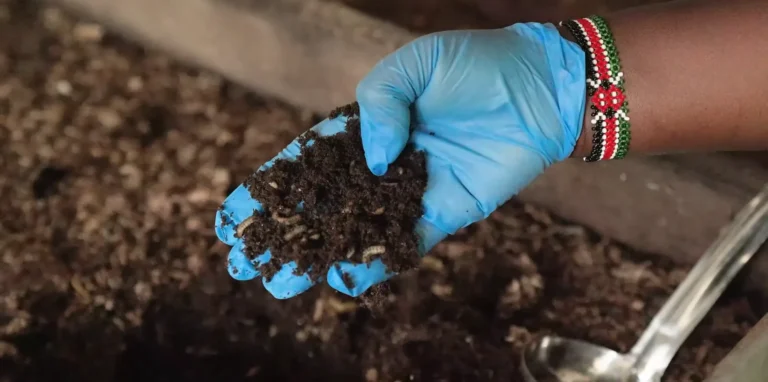
Practices like composting — the controlled decomposition of organic matter like kitchen scraps, manure, and crop residues return essential nutrients to the soil naturally. Farms across the world, from small scale family operations in Kenya to large organic estates in the United States, use compost to build rich, resilient soils that retain moisture, resist erosion, and support thriving microbial communities.
Crop rotation — the practice of alternating different crops across seasons is another cornerstone of organic farming. When a maize farmer rotates with legumes like beans or groundnuts, the legumes fix atmospheric nitrogen back into the soil, reducing the need for any fertilizer at all. This age old wisdom is now backed by modern agronomy research confirming its role in maintaining long term soil fertility.
Human Health — You Are What You Eat
Growing evidence suggests that organically grown produce contains higher levels of certain antioxidants and phytonutrients compared to conventionally grown counterparts. More importantly, organic food carries significantly lower pesticide residues a concern that is especially critical for children, pregnant women, and people with compromised immune systems.
Beyond residues, the absence of routine antibiotic use in organic livestock farming is crucial in the global fight against antimicrobial resistance one of the greatest public health threats of our time.
Biodiversity — Making Room for All Life
Conventional monocultures vast fields planted with a single crop year after year are ecological deserts. Organic farms, by contrast, tend to harbor significantly greater biodiversity. Hedgerows, diverse plantings, and the absence of broad spectrum pesticides create habitats for pollinators like bees and butterflies, beneficial insects, birds, and soil fauna.
In the United Kingdom, organic farms have been found to support up to 50% more wildlife species than conventional farms. Globally, this matters enormously as we face a biodiversity crisis that threatens the very ecosystems that sustain human life.
Environment — A Farming System for the Future
Organic farming contributes to climate resilience in multiple ways. Healthy organic soils sequester carbon, pulling it from the atmosphere and locking it underground. Reduced chemical use means less energy intensive manufacturing and less runoff into rivers and groundwater. Farms that practice organic agriculture also tend to be more resilient to drought and extreme weather qualities that will only grow in importance as climate change intensifies.
Real-World Organic Practices in Action
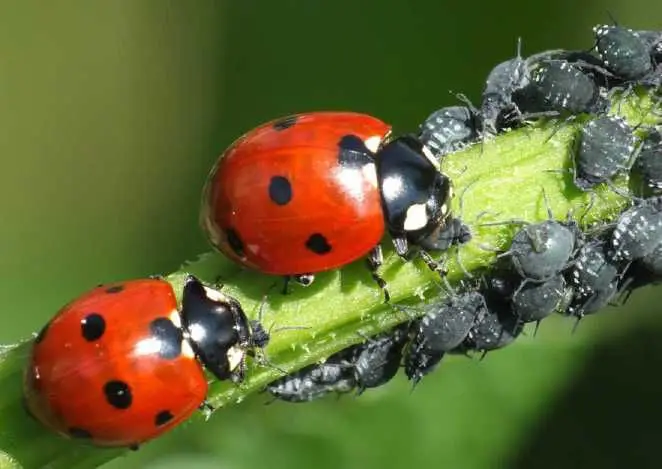
Natural pest control replaces toxic sprays with intelligence. Farmers introduce beneficial insects like ladybugs to eat aphids, or plant pest repelling companion crops like marigolds and basil alongside vegetables. Others use neem oil, a naturally derived, biodegradable pest deterrent that has been used for centuries.
Cover cropping involves planting fast growing plants like clover or rye between main crop seasons. These covers prevent soil erosion, suppress weeds, and add organic matter when tilled back into the earth.
Agroforestry integrating trees into farming landscapes is gaining traction across sub-Saharan Africa and South Asia as a practice that simultaneously improves yields, sequesters carbon, and restores degraded land.
Connecting Organic Farmers to the Market: The Role of Technology
One of the biggest challenges organic farmers face isn’t growing food, it’s selling it. Small scale organic producers often struggle to access markets dominated by large commercial players.
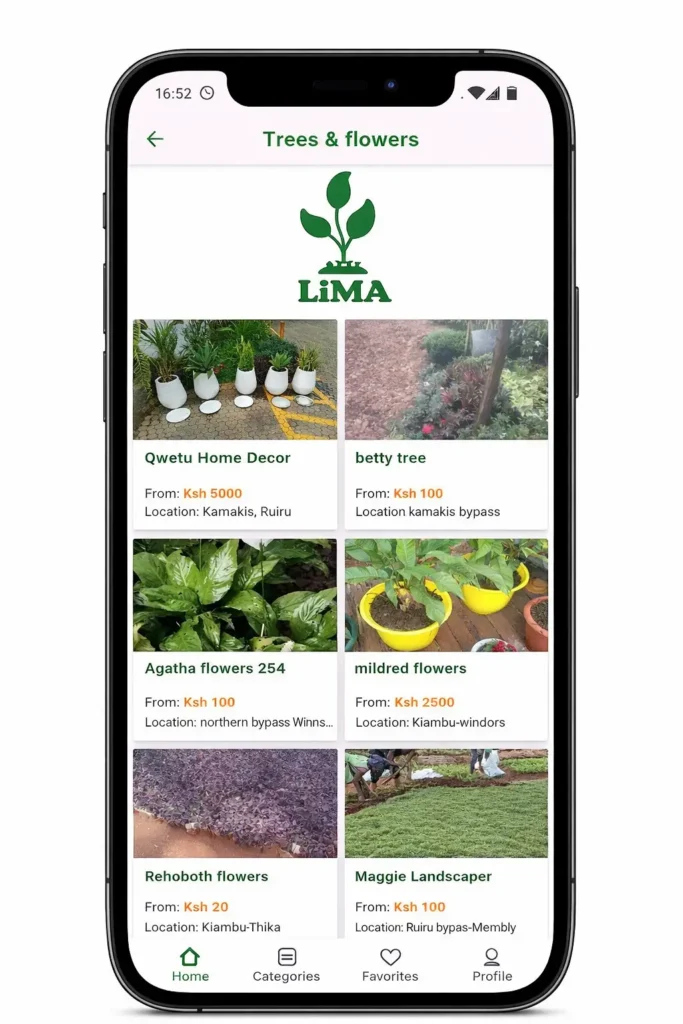
This is where platforms like Lima App are making a real difference. Lima is a digital marketplace that connects farmers directly with buyers of agricultural products, cutting out exploitative middlemen and giving farmers fair pricing for their hard work. For organic producers especially, having direct access to conscious consumers and ethical buyers through Lima can be the difference between a thriving farm and an abandoned one. As organic farming grows, tools like Lima are essential infrastructure for building a food system that rewards sustainability.
Busting the Myths
“Organic farming can’t feed the world.” This is perhaps the most persistent misconception. While organic yields can be lower for some crops in some regions, research shows the gap narrows significantly with knowledge and investment. More importantly, food security is not just a production problem it is a distribution, waste, and equity problem. A world eating less meat and wasting less food could be fed organically.
“Organic food is just a luxury for the wealthy.” Organic farming is practiced by millions of smallholder farmers in developing countries not as a lifestyle choice, but as a practical, low cost alternative to expensive chemical inputs. In many cases, transitioning to organic reduces input costs and increases farmer income over time.
“Organic means pesticide free.” Organic farming permits the use of certain naturally derived pesticides, though these are subject to strict regulations and are far less persistent and harmful than synthetic equivalents.
The Future Is Growing
The global organic food market was valued at over $220 billion in recent years and is growing rapidly, driven by consumers who are increasingly aware of the connection between their food choices and planetary health. Countries like Bhutan have committed to becoming 100% organic. Denmark leads Europe in organic market share. Across Africa, farmer led movements are reviving indigenous farming knowledge blended with modern agroecological science and Kenya stands as one of the continent’s most compelling examples. Organic farms in Kenya surged from just 8,004 in 2007 to over 62,626 by 2022, with organic land area more than doubling to 171,298 hectares. Today, organic coffee, tea, fruits, and vegetables are flowing from Kenyan farms into European and Middle Eastern markets Farming in Kenya proof that organic farming in the Global South is a viable, scalable path to food sovereignty.
The momentum is real. And it starts with choices made every single day by farmers, by businesses, and by you.
Your Call to Action: Be Part of the Change
You don’t need to own a farm to support organic agriculture. Here’s how you can make a difference starting today:
- Buy organic when you can. Every purchase sends a market signal that sustainable farming matters.
- Support your local farmers. Visit farmers’ markets, join a Community Supported Agriculture (CSA) scheme, or use platforms like Lima App to source directly from farmers growing food responsibly.
- Grow something. Even a pot of herbs at your balcony or door steps connects you to the cycle of growing food without chemicals.
- Reduce food waste. Wasted food means wasted resources including the land, water, and labor that went into growing it.
- Advocate. Support policies that fund agricultural research, subsidize organic transition, and make healthy food accessible to everyone.
The soil beneath our feet is the foundation of all life. Organic farming is not just a method it’s a philosophy of care, responsibility, and hope. The question isn’t whether we can afford to farm organically. The question is whether we can afford not to.
Start today. The earth is waiting.