Why Most Kenyans Rarely Eat Seafood from Their Own Ocean
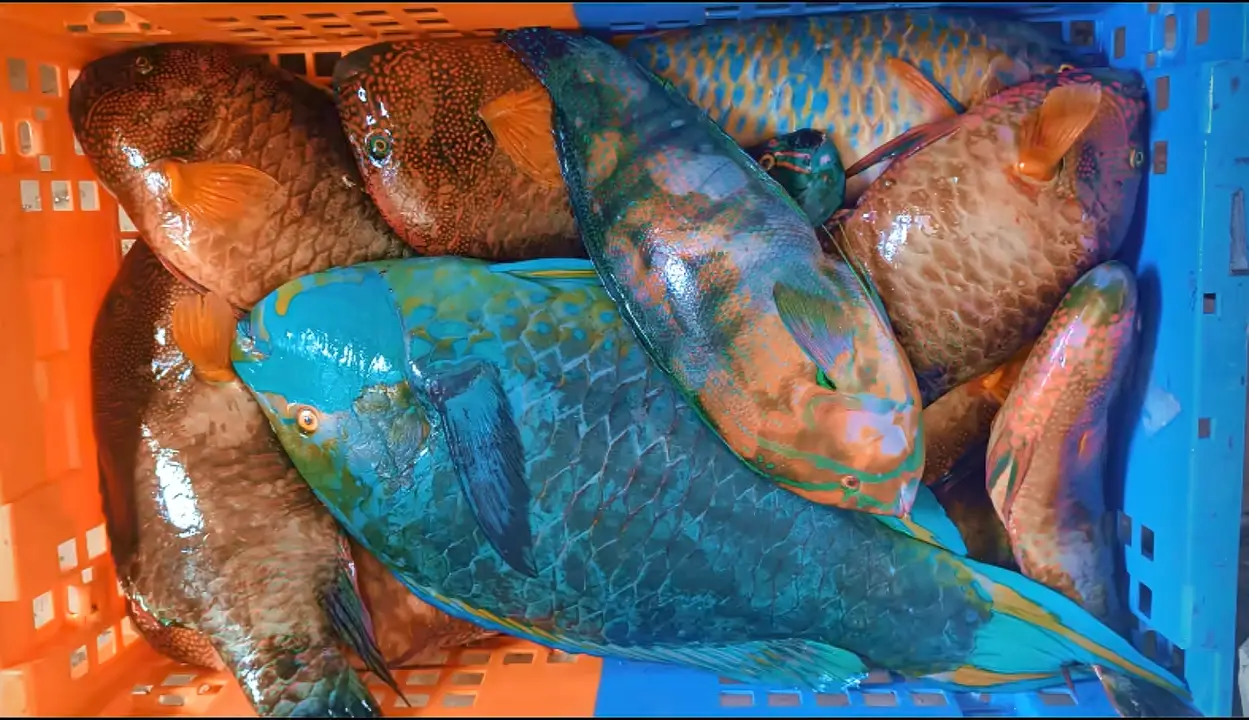
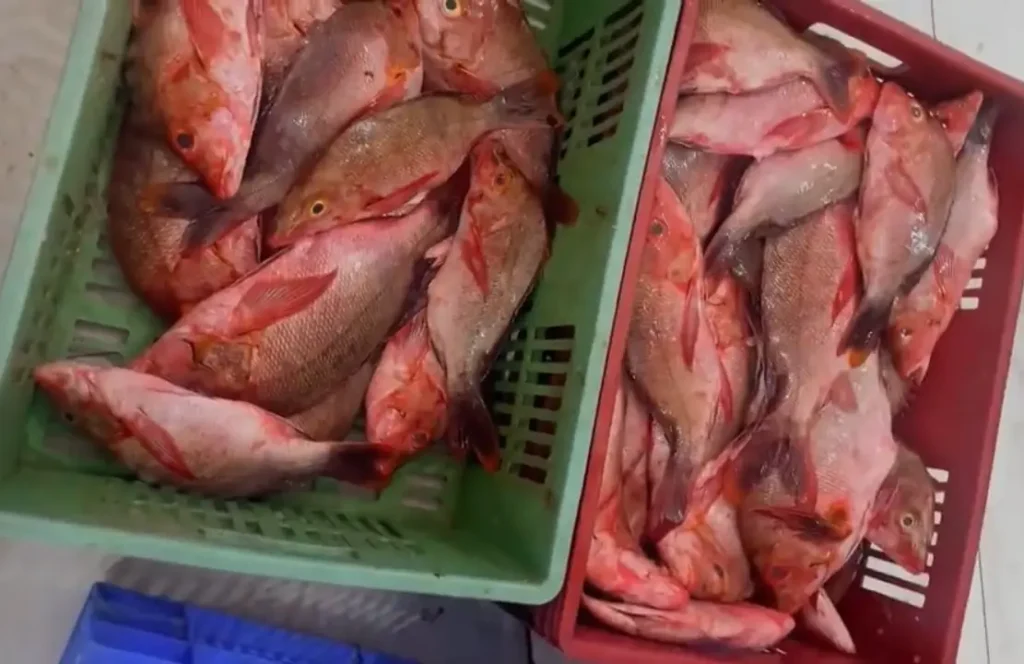
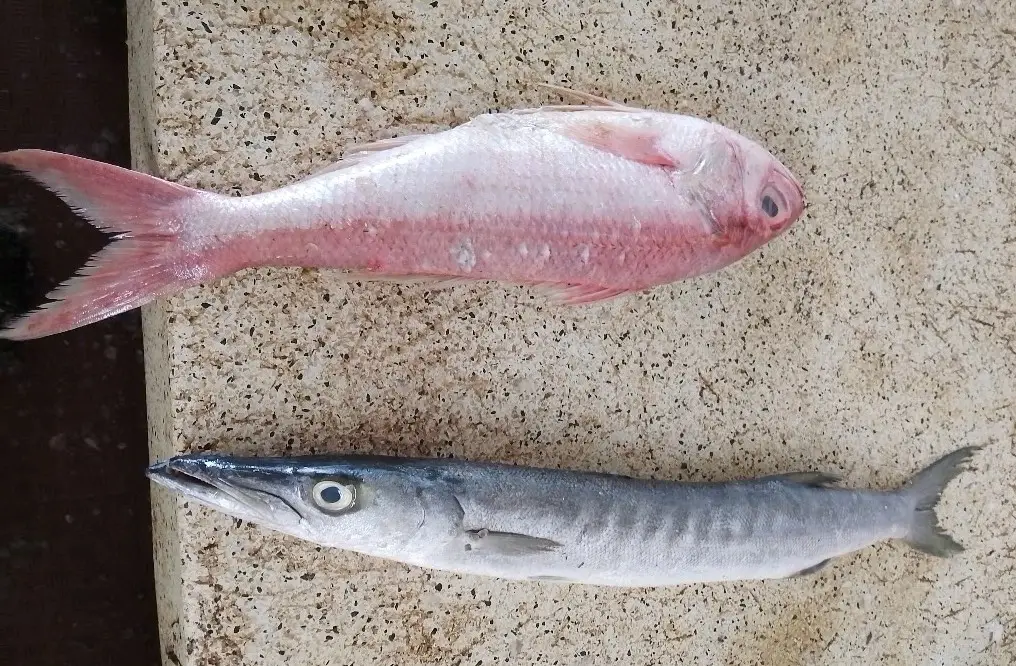
Close your eyes and picture the fish markets of Mombasa at dawn. The air is thick with salt and possibility. Vendors haul in glistening red snapper, buckets of tiger prawns, ink-dark octopus, and the occasional spiny lobster a bounty pulled fresh from one of the world’s most biodiverse bodies of water. Now open your eyes and look at what’s on the dinner table in Nairobi, Nyeri, or Kisumu: tilapia, perhaps some omena, maybe a piece of Nile perch. The Indian Ocean, just a few hundred kilometres away, might as well be on another continent. This is Kenya’s great seafood paradox,a country blessed with a rich coastline, yet one where ocean fish remains a rare luxury for the majority of its population. The reasons are more complex, and more fascinating, than you might expect.
The Cold Chain Crisis: A Race Against Time and Temperature
Seafood is among the most perishable foods on the planet. From the moment a fish leaves the water, the clock starts ticking and in Kenya’s coastal heat, that clock ticks very fast. The problem begins right at the landing sites. Many of Kenya’s artisanal fishing beaches lack adequate ice facilities, cold storage, or even clean handling infrastructure. Fish caught at sea can sit for hours in the open air before finding its way into a vehicle heading inland.
After harvest, the real challenge begins. The 480 km journey from Mombasa to Nairobi takes 6–10 hours, often longer during heavy rains or traffic congestion around Mlolongo. Without a reliable cold chain refrigerated trucks, proper icing, and controlled storage at markets fish quality deteriorates quickly. Post harvest losses in Kenya’s fisheries sector are estimated at 20–40% of total catch. Those losses ultimately drive up the price paid by consumers.
The Price Tag Problem: Seafood as a Luxury, Not a Staple
Walk into a supermarket in Nairobi and price a whole fresh red snapper against a kilo of chicken thighs or even a bag of frozen imported hake. More often than not, the locally caught ocean fish loses the affordability battle. It seems counterintuitive shouldn’t fish caught off Kenya’s own coast be cheaper than imported frozen product? But when you account for transportation costs, post harvest losses, middlemen, and the basic economics of supply and demand in a market with limited cold infrastructure, the numbers stop making sense.
That said, a new generation of solutions is beginning to chip away at this problem. Apps like Lima are quietly disrupting the old model by connecting Nairobi consumers directly to fresh Mombasa seafood cutting out layers of middlemen and bringing the coast’s daily catch straight to your door. It’s the kind of shortcut the cold chain has always needed, and for urban consumers willing to plan their meals ahead, it’s a genuine game changer.
For a family in Eastlands or Eldoret managing a tight household budget, ocean fish simply isn’t a practical protein choice. Omena the tiny dried silverfish from Lake Victoria can be bought for a fraction of the cost, stores without refrigeration, and stretches a meal for an entire family. It’s not a consolation prize; for millions of Kenyans, it’s a rational, nourishing decision. But as platforms like Lima make coastal seafood more accessible and competitively priced, the gap between the ocean and the inland plate may finally be starting to close.
Lake Victoria’s Legacy: The Unshakeable Reign of Tilapia and Omena
There is something deeper at play than economics alone. Freshwater fish, particularly from Lake Victoria, carries the weight of history and identity in a way that no prawn or lobster ever could. Tilapia and omena aren’t just food they are memory, comfort, and culture wrapped in scales. Generations of families in Kenya have grown up with these flavors at the center of their tables. The recipes are inherited, the preparation instinctive.
Asking many Kenyans to trade their tilapia for snapper is, honestly, a bit like asking someone from the coast to swap a fragrant plate of pilau for a bowl of mukimo. Technically both are food. Culturally, they are worlds apart.
Palate and Preference: A Matter of Taste and Tradition
For many Kenyans raised on the mild taste of tilapia or the rich savoriness of dried omena, ocean seafood can feel unfamiliar. Marine fish have stronger, briny flavors, and shellfish or octopus bring textures that aren’t common in inland cuisines. Without family recipes, cooking know how, or easy access to fresh options, many inland communities simply don’t develop a taste for ocean seafoods not out of resistance, but because of limited exposure.
Small Shifts: Signs of Change in the City
To be fair, something is quietly shifting in Nairobi’s more cosmopolitan corners. High end restaurants are building menus around coastal ingredients, and a younger, well traveled urban demographic is developing an appetite for grilled prawns and seafood pasta. Coastal food culture is finding its way inland, slowly but unmistakably.
A Question Worth Asking
So what would it actually take to bridge this divide? Better cold chain infrastructure would help enormously. Smarter logistics and stronger investment in coastal processing facilities matter too. Platforms like the Lima app are also stepping in to bridge the gap by connecting inland consumers directly with reliable seafood suppliers, making access easier and more consistent.
But infrastructure alone won’t change what ends up on a plate — culture moves at its own speed. Exposure, education, and familiarity play just as big a role as roads and refrigerators.
What do you think? Is Kenya’s seafood gap simply a logistics challenge, or does it run deeper than infrastructure?