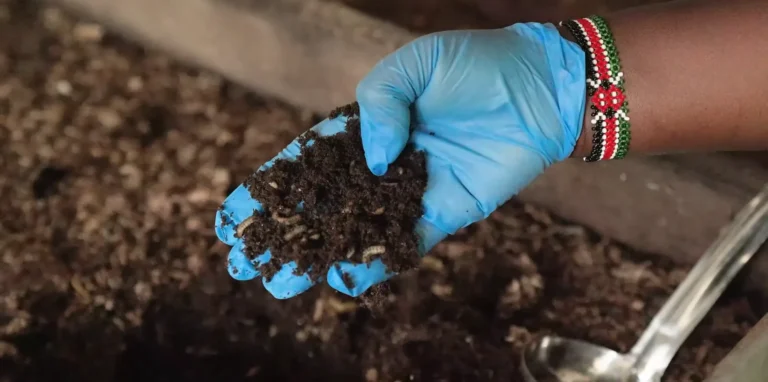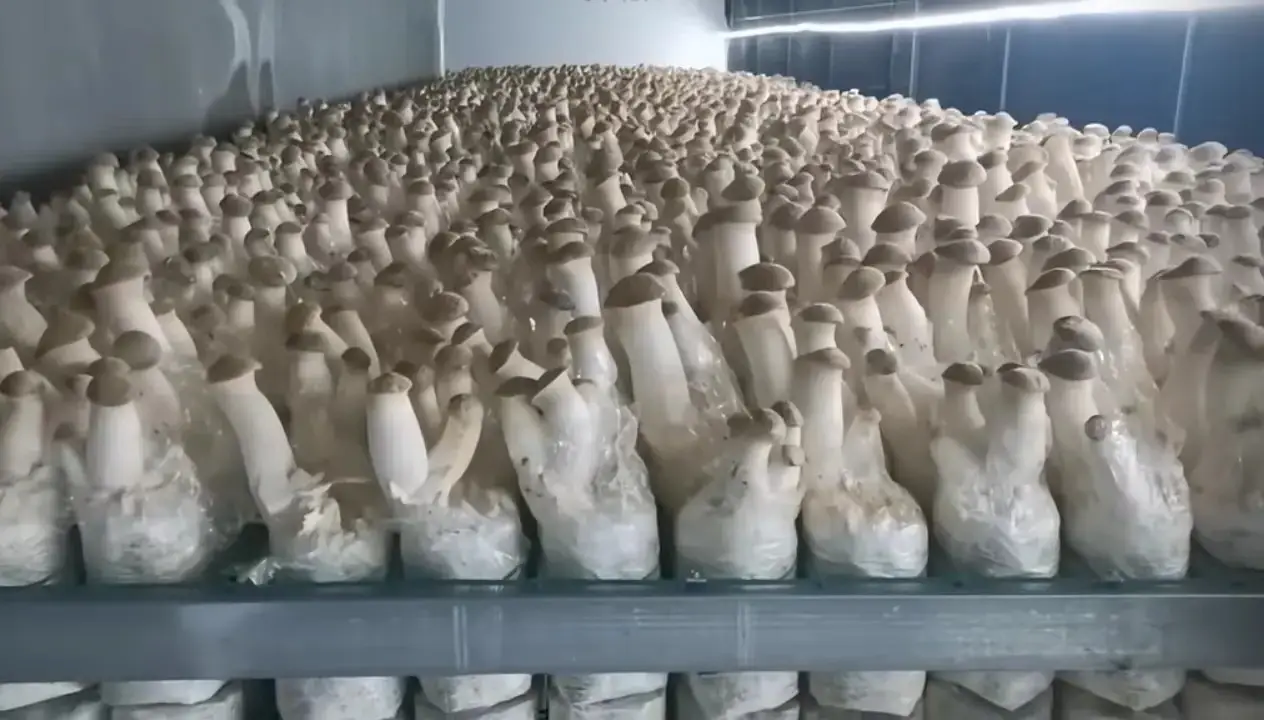
Why 50 Mushroom Bags Fail in Kenya And Why 100 Bags Is the Real Starting Point
A candid look at the economics, geography, and market realities facing Kenya’s mushroom farmers.
The Promise vs The Reality
Walk into any agricultural expo in Nairobi and you will likely find a glossy brochure promising that mushroom farming is the “next big thing” low capital, high returns, ready markets, and a short production cycle. The pitch is seductive, and thousands of Kenyans have taken the bait. Many of them are now sitting on unsold harvests, mouldy substrate, and a valuable lesson they paid dearly to learn.
Mushroom farming in Kenya can be profitable. But the gap between “can be” and “is” is wide, and it is littered with abandoned grow rooms and farmers who quit after their first or second flush. Before you invest in spawn, substrate, and a grow room, you deserve an honest accounting of what makes this business so unforgiving at small scale and what it actually takes to make it work.
The 50-Bag Trap: Why Small Scale Almost Always Yields Zero Profit
The 50-bag setup is where most beginners start, and it is easy to see why. The upfront cost feels manageable. You can use a spare room. The learning curve seems gentle. But the math simply does not add up, and it rarely does regardless of how well you manage your bags.
Consider the numbers. Fifty bags of oyster mushroom substrate will yield, under good conditions, roughly 200–250 kg of fresh mushrooms over multiple flushes. At a farm gate price of KES 200–250 per kilogram (and prices are often lower when you are selling to middlemen), your gross revenue sits around KES 40,000–62,500.
Now subtract the real costs:
- Substrate materials (wheat straw, cotton seed husks, lime, gypsum): KES 8,000–12,000
- Spawn: KES 3,000–5,000
- Sterilisation/pasteurisation fuel or electricity: KES 3,000–6,000
- Plastic bags and consumables: KES 1,500–2,500
- Your time — inoculation, monitoring humidity and temperature, harvesting, packaging, transport: easily 60–80 hours of labour
- Losses — contamination rates among beginners average 20–40%, and a single bout of green mould (Trichoderma sp.) can wipe out half a rack overnight
By the time you account for input costs, losses, transport to market, and the value of your own time, a 50-bag setup does not generate meaningful profit. At best, you break even. At worst, and this is the outcome most beginners experience you lose money while also losing months of your life.
There is also a structural problem that goes beyond arithmetic: a 50-bag setup does not give you enough volume to justify building real market relationships. Buyers, whether hotels, supermarkets, or restaurants, want consistency. Showing up once a week with 5 kg of mushrooms doesn’t make you a supplier. It makes you a curiosity. You’ll be turned away, or accepted once and never called again when you can’t fulfill the next order.
Why 100 Bags Is the Minimum Scale for Sustainable Profitability
Serious mushroom farmers in Kenya generally agree that 100 bags is the minimum threshold at which commercial viability becomes plausible and even then it requires everything to go right.
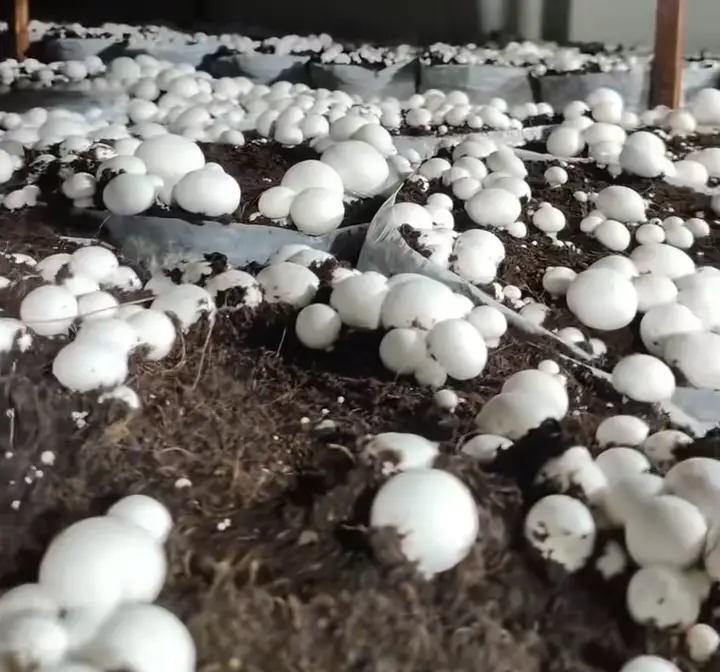
At 100 bags, a few important things shift.
Volume justifies logistics. You can now harvest 15-25 kg in a single picking, which is enough to supply a mid tier restaurant or a small grocery chain consistently. You can negotiate a standing weekly order rather than selling bag by bag at a roadside market.
Contamination losses become manageable rather than catastrophic. If 20 percent of your bags fail, you still have 80 productive ones. At 50 bags, the same contamination rate can devastate your income for the entire cycle.
You can stagger your inoculation dates to achieve near continuous harvest. This is a critical operational step that most 50 bag farmers skip because they cannot afford to buy enough spawn upfront to stagger properly.
Unit economics improve. Bulk purchases of substrate materials, spawn, and packaging bring your cost per bag down meaningfully. The fixed costs of your grow room such as construction, humidity monitoring equipment, and any cooling infrastructure get spread across more revenue.
Even at 100 bags, you are not getting rich. You are generating enough margin to reinvest, to learn, and to justify staying in the business. True commercial viability, the kind where mushroom farming replaces a salary, typically requires 300 bags or more with reliable off take agreements already in place.
But 100 bags is where the conversation about profit can begin in earnest. Below that, you are farming for education, not income.
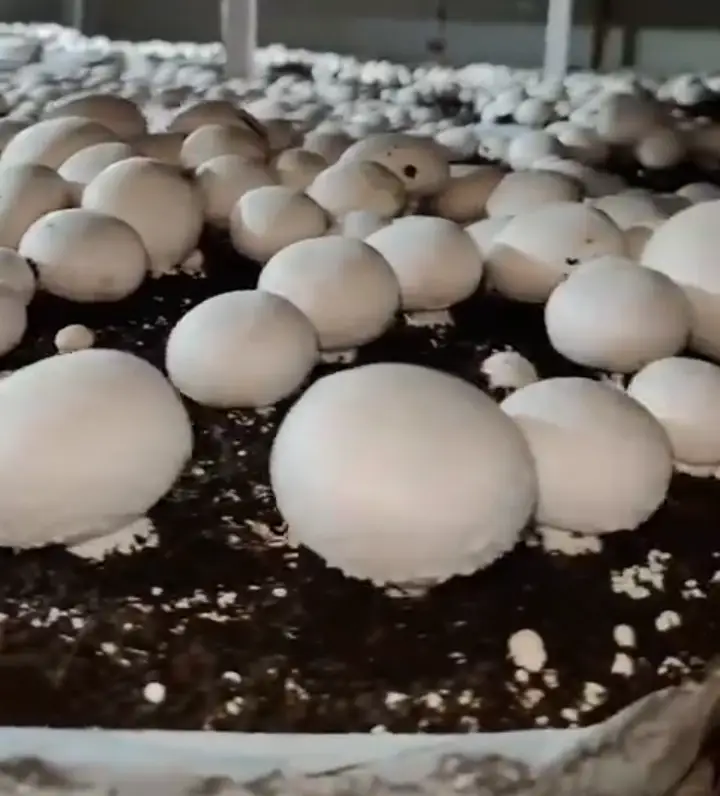
Current Retail and Wholesale Mushroom Prices in Kenya (2026)
Mushroom prices in Kenya continue to show strong performance in 2026, driven by rising urban demand, health awareness, and expanding retail distribution. Prices vary significantly depending on mushroom variety, market channel, and product presentation.
Retail Prices
Fresh mushrooms sold through supermarkets, specialty grocery stores, and organic food shops command the highest prices.
- KES 800 to 1,400 per kilogram
- Equivalent to approximately KES 200 to 350 per 250 g pack
- Pricing depends on variety, freshness, branding, and packaging quality
Retail markets offer the best margins for farmers who can supply consistent quality and volumes.
Wholesale Farm Gate Prices
Wholesale prices apply when selling directly from the farm to traders, hotels, restaurants, or distributors.
- Button mushrooms: KES 305 to 450 per kilogram
- Oyster mushrooms: KES 400 to 600 per kilogram
- Premium varieties such as shiitake and certified organic mushrooms fetch even higher rates
While wholesale margins are lower than retail, they offer faster turnover and reduced marketing costs.
Urban Demand Driving Strong Prices
Consumer demand for mushrooms continues to grow, particularly in major urban centers such as Nairobi, Mombasa, and Kisumu.
Mushrooms are increasingly valued for their:
- Health and nutritional benefits
- Use in vegetarian and flexitarian diets
- Popularity in hotels, restaurants, and modern home cooking
This sustained demand supports strong pricing and creates reliable market opportunities for well organized growers.
The Real Reason Most Mushroom Farmers Struggle to Make Profit in Kenya
Here is the uncomfortable truth about mushroom farming in Kenya. Mushrooms do not wait for you to find a buyer.
Many new farmers focus on substrate preparation, spawn quality, humidity control, and increasing yield per bag but ignore market access. Then the first flush comes in, beautiful and ready, and there is no buyer lined up. They rush to Facebook, drive to open-air markets, and end up selling to brokers at very low prices.By day three, the caps begin browning. By day five, they are unsellable.
This is not a storage problem. It is a farm-to-market linkage problem.
Secure Buyers Before Your First Harvest
If you want profitable mushroom production, start with the market:
- Talk to restaurants and hotels 2–3 months before harvest
- Ask about volume, species, packaging, and delivery consistency
- Target premium buyers who value reliable supply
- Avoid relying solely on middlemen
Better yet, use digital tools built for agricultural market access.
The Lima App helps farmers connect directly with buyers instead of scrambling after harvest. It even has a dedicated supplier-search page where restaurants, institutions, hotels, and bulk buyers actively look for reliable suppliers. Instead of chasing the market, you position yourself where demand already exists.In commercial mushroom farming, visibility equals survival.Post-harvest losses drop dramatically when your buyers are secured in advance.
A Final Word
Mushroom farming in Kenya is not a scam, and it is not a get rich quick scheme. It is a real agricultural business that rewards farmers who approach it with clear eyes, enough capital, and a market first mindset. The growers who succeed are not lucky. They run at least 100 to 300 bags, and secure buyers before inoculating a single bag.
A 50 bag setup is fine for learning, but treat it as tuition, not a business. Use it to understand production, costs, and market dynamics. Then scale to a level where the economics make sense. Kenya’s mushroom demand is growing and the opportunity is real, but only for farmers who prepare properly before investing their savings.