Onion Farming Methods That Work Best in Kenya’s Climate
If you’re a farmer looking to venture into onion farming and want to get it right from day one then you’re in the right place. Right now, onions rank among the most profitable crops for farmers across Kenya. With the right approach, you can turn your land into a steady source of income.
Onions thrive in well drained, fertile sandy loam soil with a pH of 6.0 to 7.0. For healthy seed development, it’s best to plant when temperatures stay between 13°C and 24°C. In Kenya, the perfect time to plant is during the short rains, from October to December. Harvesting is ideally done between January and February, when the hot, dry weather helps cure the bulbs and boost market prices.
Depending on the variety, onions take about three to five months to reach maturity. In this guide, we’ll explore the best onion farming techniques that ensure high yields and top-quality produce, perfectly suited to Kenya’s climate.
1. Choosing the Right Onion Variety
Not all onions thrive in all regions. For Kenya’s warm and dry areas (like Kitui, Makueni, and parts of Kajiado), short-day varieties like Red Creole and Bombay Red perform best. In the cooler highland regions (like Nyeri, Meru, and parts of Rift Valley), longer-day varieties like Jambar F1 or Red Passion F1 are better suited.
Consult local seed suppliers or agricultural officers to pick seeds that match your rainfall patterns and temperature range.
2. Land Preparation and Soil Requirements
Onions need loose, well-drained soil with plenty of organic matter to grow healthy bulbs and achieve good yields. Proper land preparation is a crucial first step and involves:
- Plowing and harrowing to loosen the soil.
- Adding organic manure or compost to improve fertility.
- Creating raised beds (especially in wet areas) to prevent waterlogging.
Avoid waterlogged or compacted soils, as they lead to poor bulb formation.
3. Planting Methods
Farmers in Kenya use different planting methods, including:
a) Direct Seeding
- Suitable for large-scale farming.
- Seeds are sown directly in rows (spacing: 30cm between rows, 8cm between plants).
- Requires thinning to avoid overcrowding.
b) Transplanting Seedlings
- More reliable for uniform growth.
- Seedlings are raised in a nursery for 6–8 weeks before transplanting.
- Ensures better spacing and weed control.
c) Bulb Planting (Sets)
- Faster maturity (uses small onion bulbs instead of seeds).
- Common in regions with short rainy seasons.
4. Irrigation Practices
Onions need consistent moisture, especially during bulb formation. Kenya’s erratic rainfall makes irrigation essential. Recommended methods include:
- Drip Irrigation – Saves water and delivers moisture directly to roots.
- Furrow Irrigation – Common in areas with reliable water sources.
- Rain-fed Farming – Possible in high-rainfall areas but risky during dry spells.
Avoid overwatering, as it causes rot and fungal diseases.
5. Fertilization and Weed Control
- Basal Fertilizer (DAP or NPK) – Applied at planting for root development.
- Top Dressing (CAN or Urea) – Applied 3–4 weeks after transplanting.
- Weeding – Critical in the first 6 weeks to reduce competition.
Mulching helps retain moisture and suppress weeds, especially in dry regions.
6. Pest and Disease Management
Common onion pests in Kenya include thrips, onion flies, and aphids. Diseases like purple blotch and downy mildew can reduce yields. Control measures:
- Use of neem-based pesticides for organic farming.
- Crop rotation to prevent soil-borne diseases.
- Proper spacing for air circulation.
7. Harvesting and Post-Harvest Handling
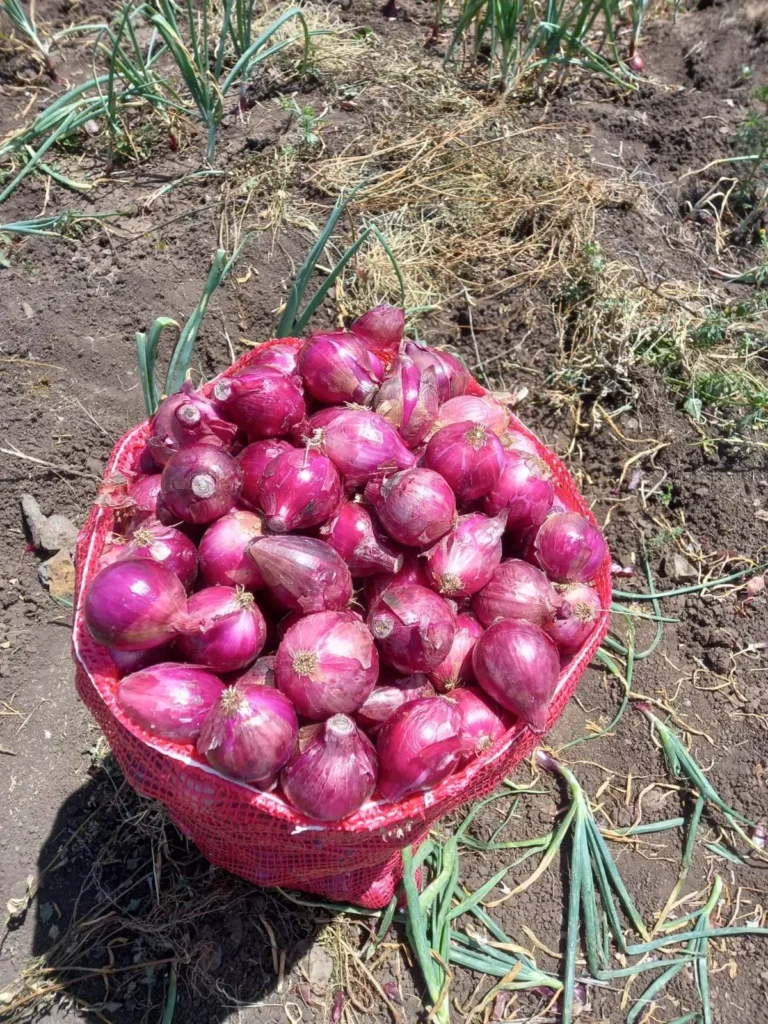
Onions mature in 3–5 months, depending on the variety. Signs of maturity include:
- Yellowing and falling of leaves.
- Firm, well-sized bulbs.
Harvesting Tips:
- Uproot bulbs carefully to avoid bruising.
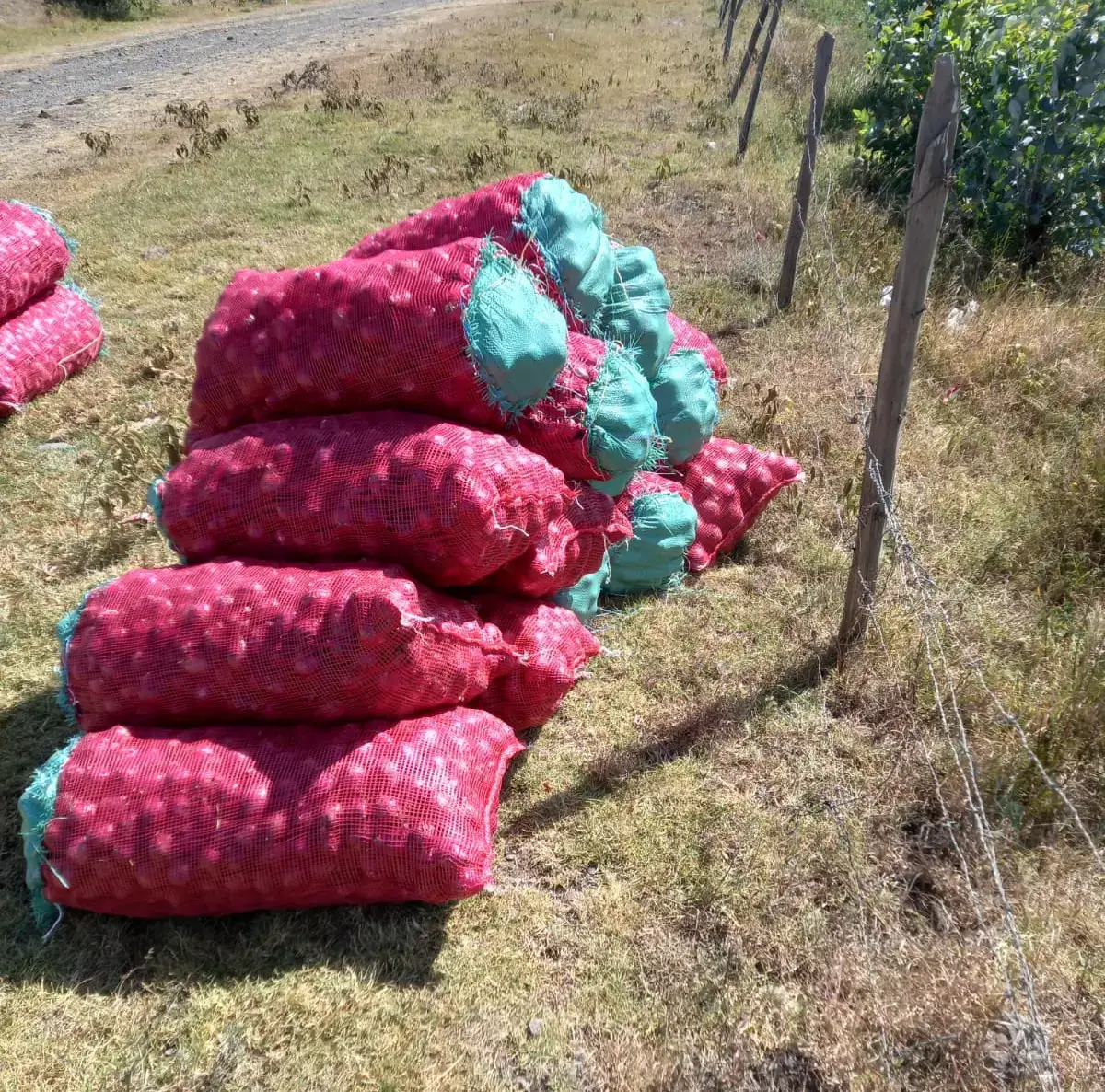
- Dry them in the sun for 1–2 weeks before storage.
- Store in a cool, dry, and well-ventilated place to prevent rotting.
Final Tip: Learn and Network
Farming is evolving. Attend training sessions, join farmers’ groups, and stay in touch with agricultural extension officers. Sharing experiences with other onion farmers will help you learn new tricks and avoid costly mistakes. You can also use the Lima App to access practical farming tips, connect with other farmers, discover new market opportunities, and stay updated on modern farming practices. Digital tools like the Lima App make it easier to learn, adapt, and grow a profitable onion farming business.