How Chinese Farm Machinery Is Transforming Smallholder Farming in Africa
For decades, agriculture across much of Africa has been powered by manual labor. Farmers rely heavily on basic tools such as hoes, cutlasses, and animal traction to prepare land, plant crops, and harvest produce. While these traditional methods have supported rural livelihoods for generations, they also limit productivity and make farming physically exhausting.
That picture is now changing.
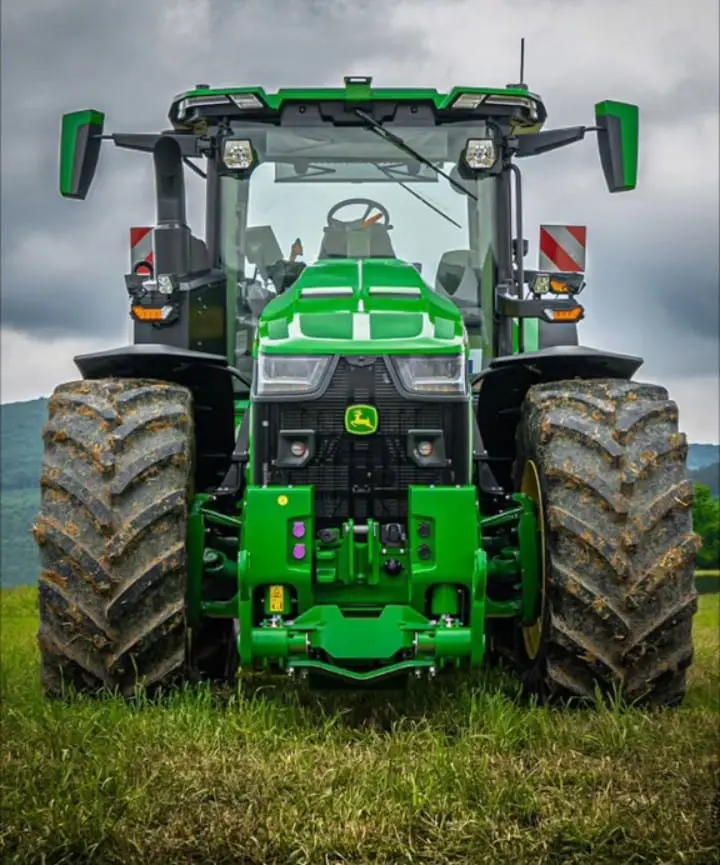
Across the African continent, a quiet mechanization revolution is underway, and its engine is perhaps surprisingly Made in China. For generations, the gold standard of agricultural machinery came from Western manufacturers: John Deere, AGCO, CNH Industrial. But these brands come with gold-standard price tags too. A mid-range Western tractor can cost KSh 5,200,000 to KSh 10,400,000, an insurmountable barrier for smallholder farmers who cultivate fewer than five acres and earn less than KSh 260 a day.
Chinese farm machinery Africa-focused brands are flipping that equation. With price points 40 to 60% lower than comparable Western equipment, companies like YTO Group, Lovol, and Foton Lovol are making mechanization in African agriculture a realistic proposition, not just for commercial enterprises, but for the smallholder farmer who is, in every measurable sense, the backbone of African food production.
The Accessibility Factor: Why Chinese Machinery Appeals to African Farmers
The appeal of Chinese farm machinery to African smallholders is not simply about being cheap. It is about being appropriate. Two factors define this fit: price and practicality.
On price, the numbers speak for themselves. On practicality, Chinese manufacturers have been deliberately engineering for African conditions. Smaller plot sizes, uneven terrain, and limited infrastructure mean that compact, maneuverable machines outperform large Western models. Ease of maintenance is equally critical: Chinese machinery typically uses simpler engine architectures, and spare parts are widely stocked through growing African distribution networks.
| Machine Type | Chinese Price (KSh) | Western Price (KSh) | Saving |
|---|---|---|---|
| Two-Wheel Tractor Power tiller / walk-behind | 65,000 – 195,000 | 390,000 – 1,040,000 | Up to 80% off |
| Four-Wheel Tractor | 1,560,000 – 3,250,000 | 5,200,000 – 10,400,000 | Up to 70% off |
| Mini Combine Rice Harvester Small-scale combine unit | 390,000 – 1,040,000 | 1,300,000 – 2,600,000 | Up to 60% off |
| Agricultural Drone DJI Agras T-series | 390,000 – 780,000 | 1,040,000 – 1,950,000 | Up to 60% off |
| * Prices are indicative estimates based on market averages. Find verified farm equipment listings on Lima App at lima.co.ke | |||
When a machine breaks down at planting season, a farmer cannot wait six weeks for an imported part. With Chinese equipment, local mechanics can often fix problems the same day.
Affordable ag-tech is not just about the purchase price. It is about the total cost of ownership, including fuel efficiency, maintenance ease, and parts availability. Chinese brands are increasingly winning on all three fronts.
Key Technologies Reshaping African Agriculture
The product portfolio driving smallholder farming transformation spans three key categories.
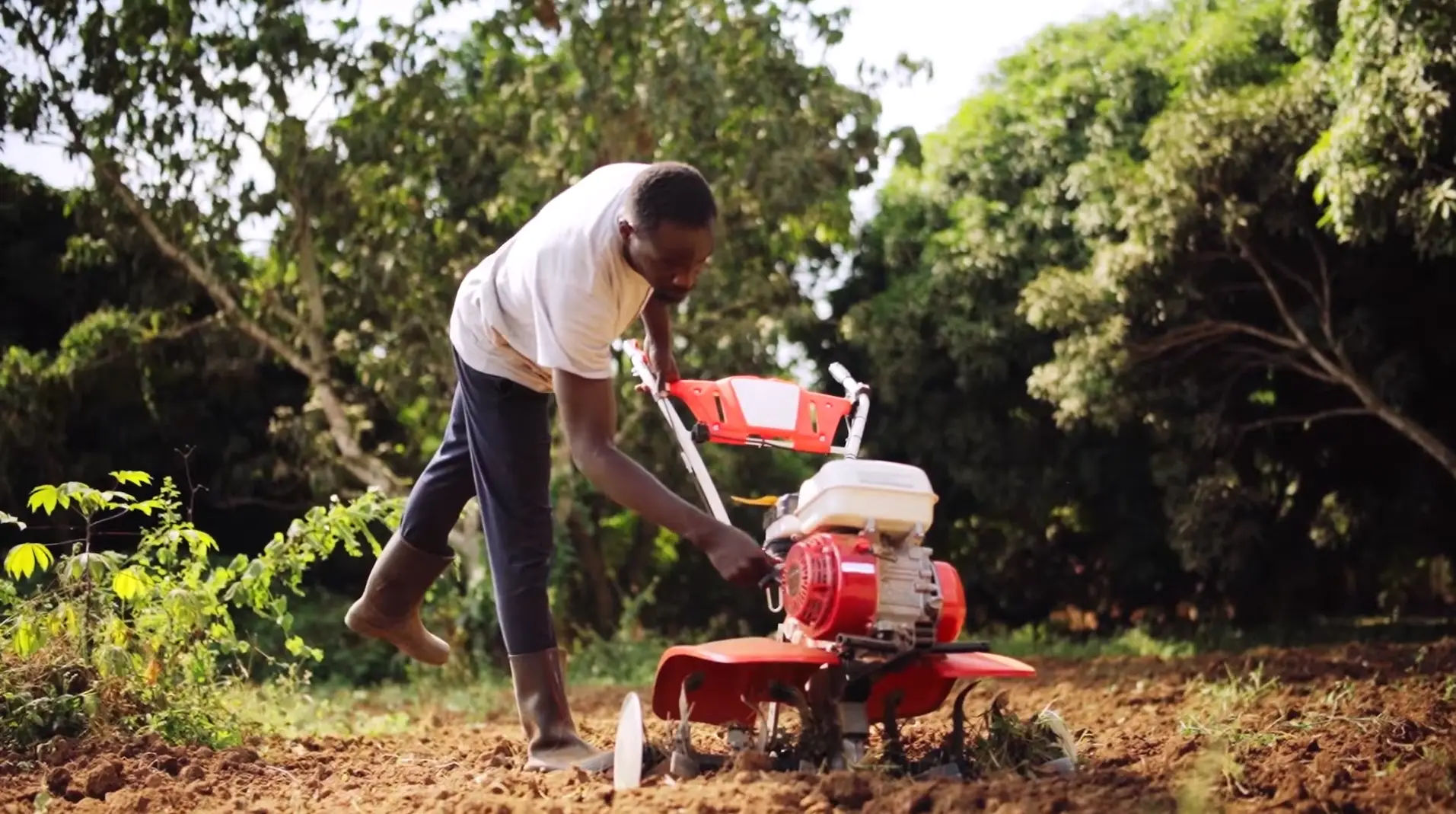
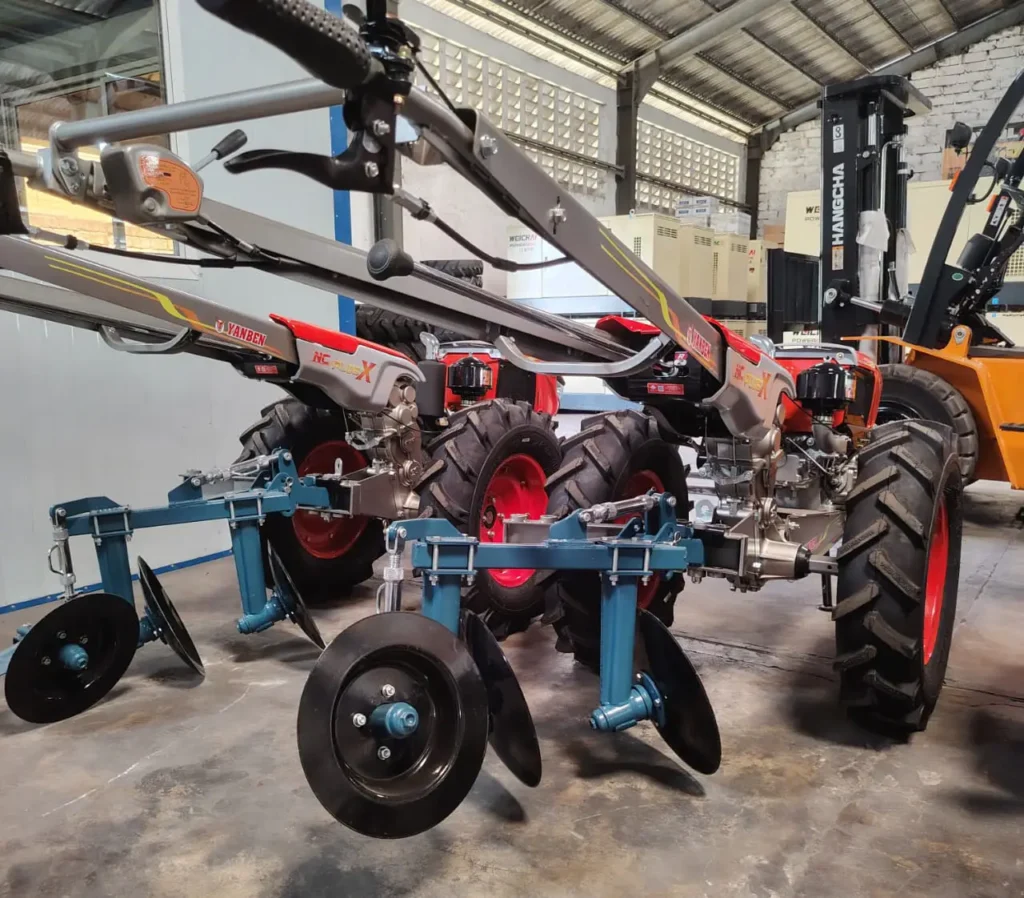
Two-wheel tractors (power tillers) are arguably the most impactful single technology. These compact, walk-behind machines can plow, till, and transport goods across narrow field rows. In countries like Kenya and Ethiopia, NGO-supported programs have distributed thousands of power tillers to farmer cooperatives, reducing land preparation time by up to 60% compared to hand tillage. For women farmers who make up 60 to 80% of Africa’s smallholder workforce, these machines are particularly liberating, dramatically reducing the physical drudgery that has historically limited female agricultural productivity.
Small-scale rice harvesters are the second frontier. Rice is a staple across West Africa and the Great Lakes region, yet post-harvest losses from manual harvesting and delayed processing can consume 20 to 30% of a season’s yield. Chinese-manufactured mini-combine harvesters, priced between KSh 390,000 and KSh 1,040,000, are now operating in rice fields in Nigeria, Ghana, and Côte d’Ivoire, capturing grain that was once lost to the ground, birds, or spoilage.
Agricultural drones for pesticide application represent the newest and most exciting frontier in drone spraying technology. Chinese drone giant DJI has developed the Agras T-series specifically for agricultural use. These drones can cover 10-15 acres per hour, applying pesticides with surgical precision and reducing chemical use by up to 30%. In 2023, Kenya and Nigeria saw the first large-scale drone spraying operations targeting fall armyworm, a pest that had devastated millions of acres of maize across sub-Saharan Africa. The drone-as-service model, where a service provider owns the equipment and charges per acre, is making this technology accessible even to farmers who could never afford to own a drone outright.

Impact on Productivity and Food Security
The introduction of cost-effective farming tools is already producing measurable benefits across the agricultural sector.
Reduced Labor Drudgery
Agriculture has traditionally been one of the most physically demanding jobs. Mechanization significantly reduces the amount of manual labor required for tasks such as land preparation and harvesting.
This is particularly important as younger generations move away from farming, leaving rural communities with labor shortages.
Higher Crop Yields
Mechanization enables farmers to:
- Prepare land faster
- Plant crops at the right time
- Manage weeds more effectively
- Harvest crops quickly before spoilage
These improvements can increase yields by 20–50% in some farming systems, depending on crop type and soil conditions.
Lower Post-Harvest Losses
In many African countries, up to 30% of harvested crops are lost due to poor harvesting methods and storage limitations.
Mechanized harvesters and processing equipment reduce these losses significantly, ensuring more food reaches markets.
Improved Food Security
As productivity increases, farmers can produce surplus crops for sale. This not only improves household incomes but also contributes to food security across Africa.
By making mechanization accessible to millions of farmers, Chinese agricultural technology is helping close the continent’s food production gap.
Local Partnerships, Assembly Plants and Training
Chinese agricultural companies are not simply exporting hardware. Increasingly, FOCAC agricultural cooperation frameworks, the Forum on China-Africa Cooperation, are driving investment in local manufacturing and skills transfer.
In Ethiopia, SINOMACH has invested in local tractor assembly operations, with components imported from China and final assembly performed by Ethiopian workers. This model reduces import duties, creates local employment, and shortens the supply chain for spare parts. In Nigeria, several Chinese firms have partnered with state agricultural development agencies to establish demonstration farms and training centres where farmers and local mechanics can learn to operate and maintain equipment under realistic field conditions.
The Quality and Supply Chain Question
The story is not without complexity. The quality vs. price debate in the Chinese farm machinery Africa space is real. Early-generation Chinese equipment in some markets earned a reputation for inconsistent build quality, with engines that wore out prematurely and hydraulic seals that failed in dusty conditions. While Chinese manufacturers have invested heavily in quality improvement, buyers still need to distinguish between established industrial brands like YTO and Lovol, and lower-tier manufacturers cutting corners on components.
Spare parts availability remains the most frequently cited barrier to adoption. A machine that cannot be repaired is worse than no machine at all. It ties up capital without delivering productivity. Sustainable mechanization ecosystems require not just sales networks, but after-sales service infrastructure including trained technicians, stocked parts warehouses, and accessible financing for repairs.
Financing itself is a structural challenge. Even at Chinese price points, a KSh 195,000 power tiller represents a significant investment for a household earning KSh 65,000 per year. Microfinance products tailored to agricultural equipment purchases, with repayment schedules aligned to harvest cycles, are emerging but remain inconsistently available across markets.
Digital Bridges: How the Lima App Is Connecting Buyers and Sellers
While physical machinery is transforming African fields, digital platforms are transforming how farmers access it. The Lima App has emerged as a critical marketplace tool in the agricultural equipment space, a platform designed specifically to link buyers and sellers of farm machinery and inputs across African markets.
For a smallholder farmer in Malawi or a cooperative manager in Rwanda, Lima App removes a significant friction point: finding equipment. Instead of relying on word-of-mouth or travelling to the nearest urban centre, farmers can browse available machinery, compare prices, and connect directly with dealers, all from a basic smartphone. For equipment vendors and Chinese manufacturers looking to expand their African distribution reach, the platform provides a ready-made channel to underserved rural buyers.
The Lima App is building the digital infrastructure that affordable ag-tech needs: transparent pricing, equipment manufacturers , and direct buyer-seller connections that cut out unnecessary middlemen and reduce transaction costs for farmers across the continent.

Conclusion: Is Chinese Agricultural Technology the Key to Africa’s Food Sovereignty?
The hoe and the cutlass are not disappearing from African agriculture overnight. But the trajectory is unmistakable. Chinese farm machinery, at accessible price points and with growing local support infrastructure, is enabling smallholder farming transformation at a scale that was not conceivable a decade ago.
This is not a story without complications. Quality must continue to improve. Spare parts networks must deepen. Financing solutions must mature. And digital platforms like the Lima App must continue to close the information gap between buyers and sellers across vast, underdeveloped rural markets.
But at its core, the question of African food sovereignty, whether the continent can feed itself with dignity, sustainability, and reduced dependence on food imports, will be answered in the fields of its smallholder farmers. And in those fields, a Chinese-made power tiller, a drone buzzing overhead with precisely measured pesticide, and a marketplace app on a farmer’s phone are already writing the opening chapters of that answer.