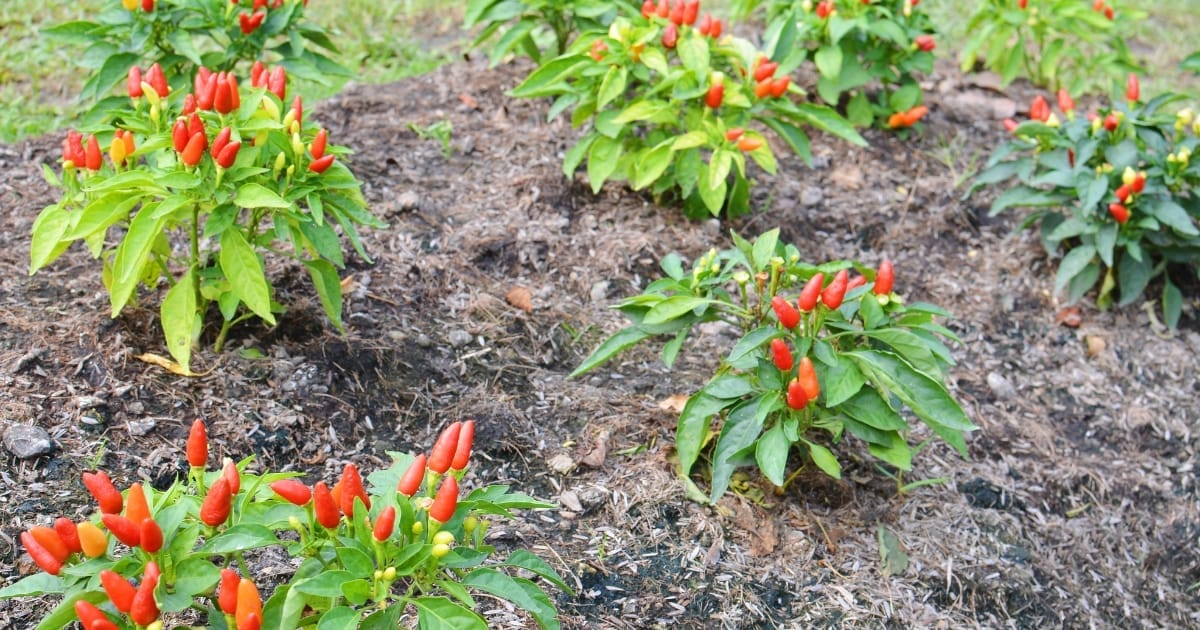
Turn Up the Heat: Profits from Chilli Farming in Kenya
If you are looking for a low-risk agricultural investment to venture into in Kenya at the moment, chilli farming is your answer. Recent trends have proven it to be a profitable and sustainable agribusiness, especially for small to medium-scale farmers looking to tap into high-value horticulture. Kenya’s favourable climate and rich soil provide an added advantage by lowering production costs.
For beginners, this guide explores the ins and outs of chili farming in Kenya and why it’s one of the hottest agricultural trends today.
Why Chili Farming in Kenya?
Kenya’s tropical and subtropical climate is ideal for growing a variety of chili peppers. What makes chili farming particularly attractive?
- High Market Demand: Chilies are essential in many Kenyan and international dishes. They’re in demand in local markets, hotels, and more importantly, in the export sector — especially in Europe and the Middle East.
- Quick Maturity: Most chili varieties mature within 3 to 4 months.
- High Returns: A well-managed acre can produce over 2,000 kg per harvest, fetching competitive prices locally and abroad.
- Multiple Harvests: With proper care, chilies can be harvested for up to a year or more.
Popular Chili Varieties Grown in Kenya
- Bird’s Eye Chili (Pili Pili Hoho)
Very hot and highly demanded in export markets. - Cayenne Pepper
Milder, used in sauces and powder production. - Scotch Bonnet
Popular in Caribbean and African dishes. - Habanero
Extremely hot and ideal for value addition. - Jalapeño
Mild, fleshy, and suited for salads and pickles.

Market Opportunities
Chili farmers in Kenya can access multiple markets:
- Local: Open-air markets, hotels, supermarkets.
- Export: EU, Middle East, and Asia.
- Contract Farming: Companies like VegPro, Finlays, and East African Growers work with smallholder farmers under contract.
Profitability & Cost Overview (1 Acre Example)
| Item | Cost (KES) |
|---|---|
| Land Preparation | 10,000 |
| Seeds | 4,000 |
| Manure & Fertilizers | 15,000 |
| Irrigation Setup | 30,000 |
| Labor | 20,000 |
| Pest & Disease Control | 8,000 |
| Miscellaneous | 5,000 |
| Total Cost | 92,000 |
Potential Revenue (Yield: 2,000 kg @ KES 150/kg) = KES 300,000
Estimated Profit = KES 208,000 per season
Conclusion
Chili farming in Kenya is more than just a trend it’s a smart agribusiness move. With proper planning, market connection, and good farming practices, chili farming can bring in substantial income while improving food security and creating jobs.