Snail Farming in Kenya 2026: The Profitable Agribusiness Most Farmers Are Ignoring
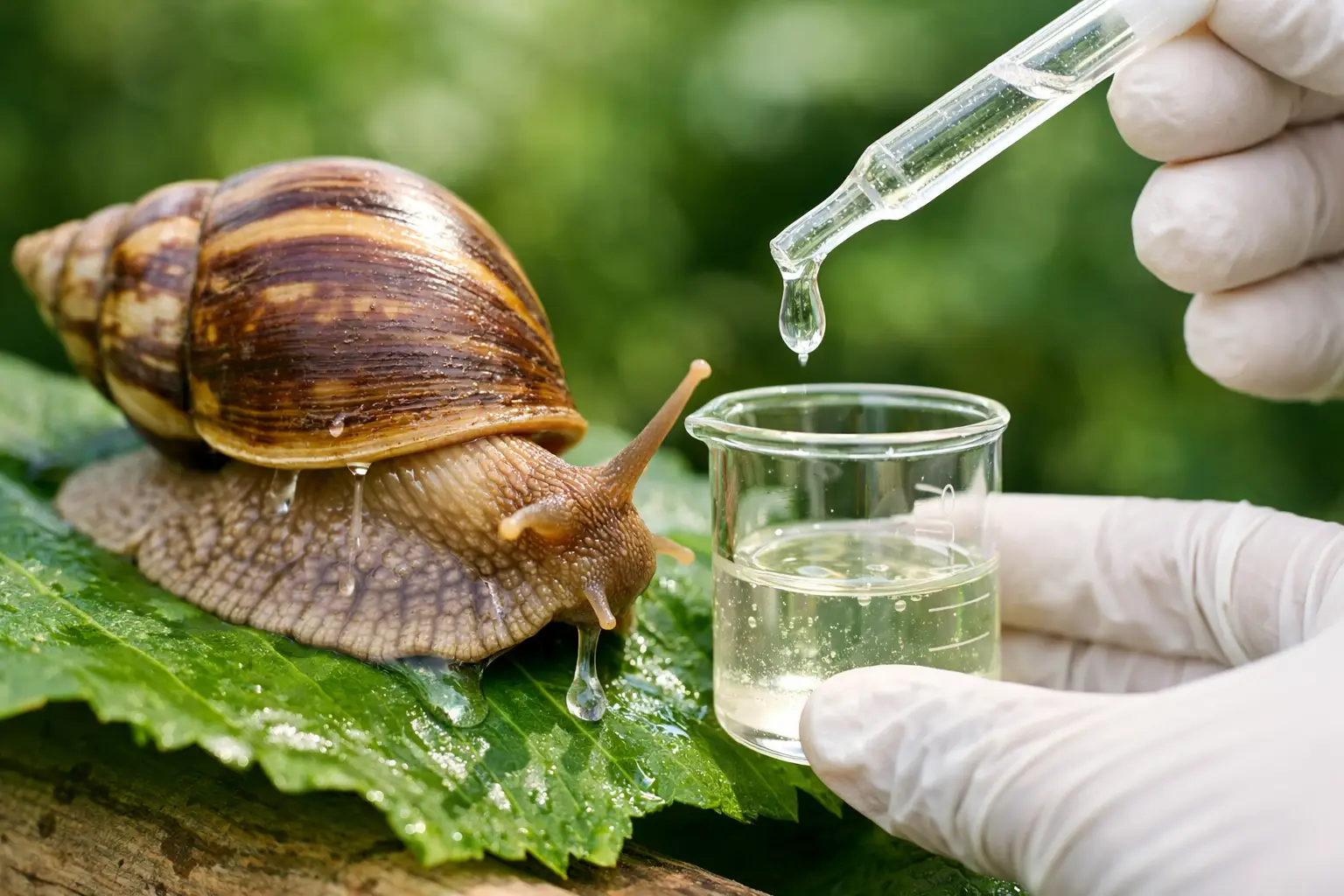
Imagine harvesting a product worth Ksh 45,000 per litre repeatedly, without slaughtering a single animal, from creatures that thrive in your backyard on vegetable scraps and fallen leaves. That is the quiet revolution happening in snail farms across Kiambu, Nakuru, and Kisii today. Welcome to heliculture: Kenya’s most underrated, highest margin agribusiness of 2026.
While the rest of the world is slathering Korean Beauty (K-Beauty) serums onto their faces, Kenyan farmers are positioning themselves as the next link in that supply chain. The global snail mucin market is projected to exceed USD 1.2 billion by 2028, driven almost entirely by the K-Beauty industry’s insatiable demand for snail filtrate in moisturisers, serums, and sheet masks. Kenya, with its ideal tropical climate for Achatina species, is perfectly placed to supply.
Key insight: A single litre of purified snail mucin can fetch between Ksh 35,000 and Ksh 50,000 from cosmetic export buyers — more per litre than high-grade honey, moringa oil, or most essential oils farmed locally.
Why Snail Farming in Kenya 2026 Is a Different Game
Snail farming is not new. Heliculture has been practised in Europe since Roman times. What is new is the convergence of three forces that make 2026 the inflection point for Kenyan farmers:
- The K-Beauty boom – has created a recurring, industrial-scale demand for snail mucin. Smallholder African farmers should tap into this opportunity through digital export connectors available on the Lima App.
- Climate suitability — Kenya’s humid highland and coastal zones provide near-perfect conditions for Giant African Land Snails all year round, eliminating the seasonal constraints that limit European farmers.
- Low capital entry — a pilot snail unit of 500 snails can be started for as little as Ksh 25,000, making it accessible to youth, retirees, and smallholder farmers equally.
Quick Stats:
- Startup cost (500 snails): Ksh 25,000
- Mucin price per litre (export): Ksh 45,000
- Time to first harvest: 6–8 months
- Estimated 2-year Return on Investment: 300%+
Profitability Breakdown: Snail Farming vs. Traditional Poultry
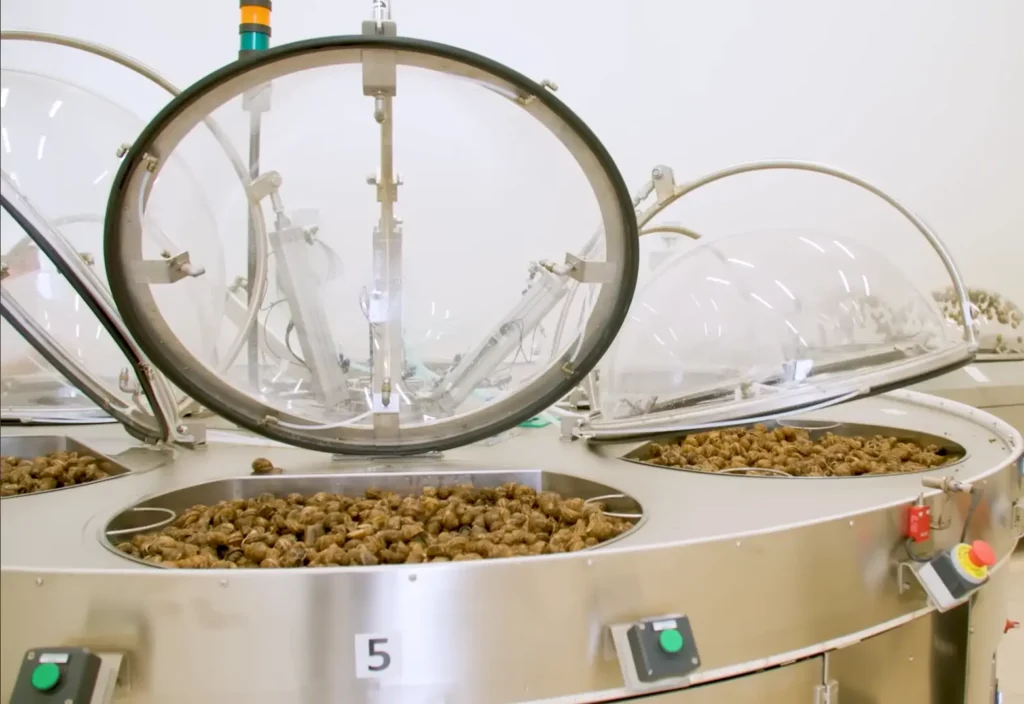
Let us run the numbers honestly. Most Kenyan farmers default to poultry because it is familiar, but the ROI comparison is striking when you place them side by side on the same capital base of Ksh 50,000:
| Parameter | Broiler Poultry (200 birds) | Snail Farm (500 snails) |
|---|---|---|
| Initial capital | Ksh 45,000–55,000 | Ksh 25,000–35,000 |
| Cycle duration | 6–8 weeks (broiler) | 6–8 months (breeding stock established) |
| Feed cost (per cycle) | Ksh 18,000–22,000 | Ksh 1,500–3,000 (vegetable scraps, calcium) |
| Disease risk | High (Newcastle, gumboro) | Very low |
| Revenue per cycle | Ksh 28,000–35,000 | Ksh 40,000–90,000 (mucin + eggs + meat) |
| Net profit (year 2) | Ksh 30,000–50,000 | Ksh 120,000–250,000 |
| Recurring income streams | One (meat sale) | Three (mucin, eggs, meat) |
The Slime vs. Meat Debate: Why Mucin Is the Real Money
One-time sale vs. recurring income stream
Here is the fundamental economic insight that separates successful heliculture farmers from those who treat snails like chickens: the mucin does not require you to kill the animal. This transforms your snail colony from a consumable livestock asset into a living factory.
Snail meat sold to restaurants or wet markets in Nairobi’s Westlands or Mombasa’s Old Town fetches roughly Ksh 800-1,200 per kilogram, a decent price but a one off transaction per animal. Mucin extraction, by contrast, can be performed on the same snail every 4-6 weeks using gentle stimulation techniques. A colony of 500 mature Achatina snails can yield approximately 80-120 ml of raw mucin per extraction session.
The compounding advantage: Snails reproduce prolifically — a single pair can produce 100–300 eggs per cycle. Your capital stock grows itself. By year three, a farm started with 500 snails can house 5,000+ without additional purchase costs.
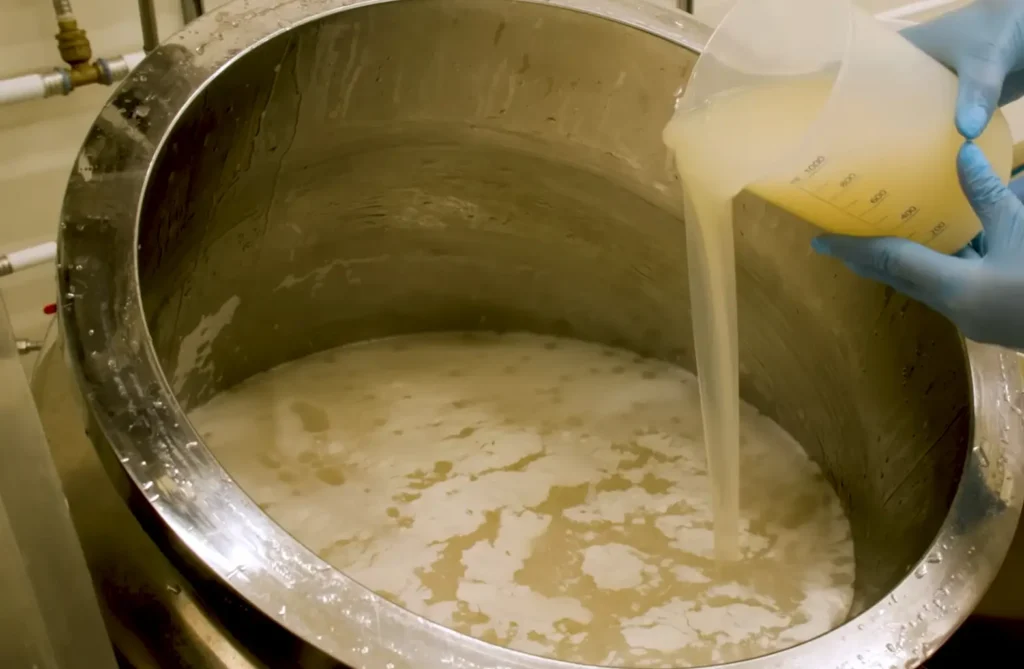
How Much is Snail Mucin Per Litre? 2026 Market Value
- Raw, unfiltered mucin: Ksh 8,000–15,000/litre (local cosmetic manufacturers)
- Filtered, pH-standardised mucin: Ksh 35,000–50,000/litre (export-grade)
- Encapsulated powder (advanced processing): Ksh 90,000–120,000/kg equivalent
KWS Snail Permit: Regulatory Compliance Is Non-Negotiable
Before you place a single snail in an enclosure for commercial purposes, you must secure a permit from the Kenya Wildlife Service (KWS). Operating without it can result in fines, confiscation, or prosecution under the Wildlife Conservation and Management Act, 2013.
The current cost of the KWS snail permit is remarkably affordable, approximately Ksh 1,500 per year.The process is straightforward: submit a business plan, proof of land or tenancy, and a farm sketch. Processing typically takes 2–4 weeks.
Technical Specs: The Species to Farm in 2026
Giant African Land Snail (Achatina fulica) — Best for Kenya Indigenous to East Africa. Fast-growing, climate-adapted, dual-purpose (meat + mucin). Reaches market weight (100–200g) in 6–8 months. Highly prolific breeder. Ideal for first time farmers.
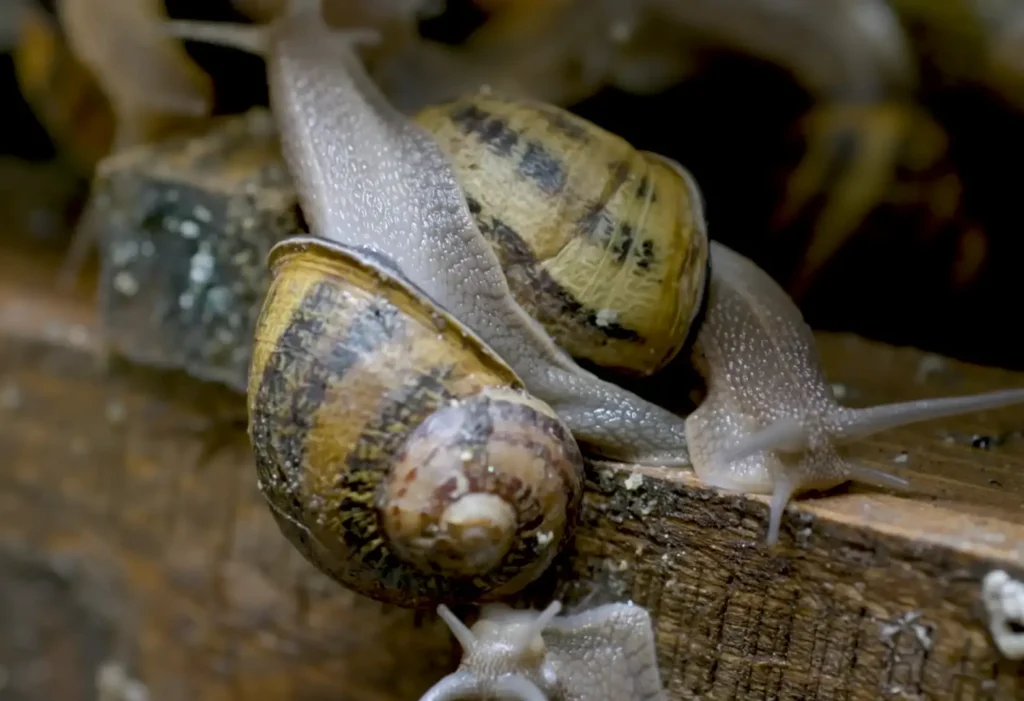
Garden / Brown Snail (Helix aspersa / Cornu aspersum) — Premium Mucin Yield Commands significantly higher mucin prices from K-Beauty buyers. Ideal for cooler highlands (Nyeri, Meru, Limuru). Requires controlled humidity.
Farm setup essentials
- Enclosure: Wooden or wire mesh pens (1m × 2m holds approx. 100 snails) with shade netting
- Substrate: Moist loam soil, 10–15cm deep, pH 6.5–7.5
- Feed: Cabbage, pawpaw leaves, banana peels, sweet potato vines + calcium source
- Humidity: 75–90% light misting twice daily in dry seasons
- Temperature: 20–30°C optimal
- Stocking density: Max 50 snails/m²

Market Access: Who Buys Your Snails and Slime in Kenya?
High End Restaurants
Nairobi (Westlands, Karen, CBD) and Mombasa (Old Town, Nyali) restaurants serving escargot pay Ksh 1,000 to 1,500 per kg for live or cleaned snails. Farmers can also use the Lima App to connect with restaurants and buyers looking for specialty farm products.
Cosmetic Exporters
Nairobi based export agents sourcing for Korean and European cosmetic brands are the highest value buyers for filtered mucin. Network via Kenya Export Promotion and Branding Agency. The Lima App can also help farmers discover verified export buyers and market opportunities for snail mucin.
Organic Fertiliser Producers
Snail shell waste and castings are rich in calcium and trace minerals. Fertiliser companies and nurseries purchase shells by the sack, creating a zero waste revenue stream. Through the Lima App, farmers can also connect with crop farmers who need natural soil amendments.
Online and Diaspora Markets
Facebook and WhatsApp agri groups, Lima, Jumia Food’s premium section, and Kenyan diaspora communities in the UK and US are growing markets for specialty foods like snails.
Why Snail Farming Is Ideal for Kenyan Youth
Youth unemployment in Kenya remains a major challenge. Snail farming offers a unique opportunity because it requires:
- Low capital
- Minimal land
- Simple management
Young entrepreneurs can even combine snail farming with online marketing and export networks, turning small farms into profitable ventures.
Frequently Asked Questions
How much does it cost to start snail farming in Kenya in 2026?
A pilot farm of 500 snails typically costs Ksh 25,000–35,000, covering enclosure construction, starter stock, substrate, feed for the first 2 months, and the KWS permit (approx. Ksh 1,500). Scaling to 2,000–5,000 snails requires Ksh 80,000–150,000.
What is the current snail mucin price per litre in Kenya?
Raw mucin fetches Ksh 8,000–15,000/litre locally. Export grade filtered mucin commands Ksh 35,000–50,000/litre. Processing infrastructure is the primary gateway to the higher price tier.
Is a KWS permit mandatory for snail farming?
Yes. Under the Wildlife Conservation and Management Act, 2013, commercial farming of Achatina species requires a KWS permit. The fee is approximately Ksh 1,500 annually.
How do I find buyers for my snail products in Kenya?
The Lima App (lima.co.ke) is one of the fastest ways to connect with buyers.Create a free farm profile, list your snail products, and get connected to restaurants, exporters, and processors.
How long does it take for snails to mature for harvest?
Achatina fulica reaches commercial weight (100–200g) in 6–8 months under optimal conditions. Helix aspersa takes 9–12 months but commands premium mucin prices.
Can snail farming be done on a small plot or rooftop?
Absolutely. A standard enclosure for 100 snails occupies just 2 square metres. Urban farmers in Nairobi’s estates are successfully running rooftop and balcony operations.
What is heliculture?
Heliculture is the scientific term for the commercial farming of snails, encompassing all aspects of snail production, including breeding, rearing, mucin extraction, and processing for food, cosmetics, or pharmaceuticals.
Final Thoughts: Is Snail Farming the Next Big Agribusiness?
As global demand for natural skincare ingredients grows, snail farming in Kenya 2026 is quickly becoming one of the most exciting agribusiness opportunities.
With:
- Low startup costs
- Recurring income from slime
- Expanding global markets
snail farming offers a high-value venture for Kenyan farmers willing to think differently.
What once looked like a slow-moving creature is now part of a multi-million-shilling agricultural opportunity.