Top 10 Short-Term Crops That Make Money Fast in Kenya and East Africa (2026 Guide)
Across Kenya and East Africa, the economic environment in 2026 is pushing farmers and agribusiness investors to think differently. Fuel prices remain volatile, the cost of inputs has climbed steadily since 2024, and unpredictable rainfall patterns from prolonged drought in parts of Northern Kenya to flash flooding along the Rift Valley have made traditional long cycle farming a high risk bet.
The good news is that East Africa’s food demand is not slowing down. Nairobi, Kampala, Dar es Salaam, and Kigali are consuming more fresh organic produce than ever before, and export markets in the EU and the Middle East are actively seeking reliable supply chains.
The farmers winning in this environment are not necessarily the ones with the most land. They are the ones growing the right crops in the right season with climate smart practices that protect their investment. Short term crops that mature within one to four months are the engine of fast profitability. They allow you to recycle capital quickly, adapt to market changes, and reduce weather related losses by shortening exposure windows.
This guide identifies the top 10 short term crops you should be growing in Kenya and East Africa in 2026, ranked by profit potential, market accessibility, and climate suitability. Whether you have half an acre in Kirinyaga or five acres in Trans Nzoia, there is a crop here for you.
Top 10 Short-Term Crops for Profit in Kenya and East Africa (2026)
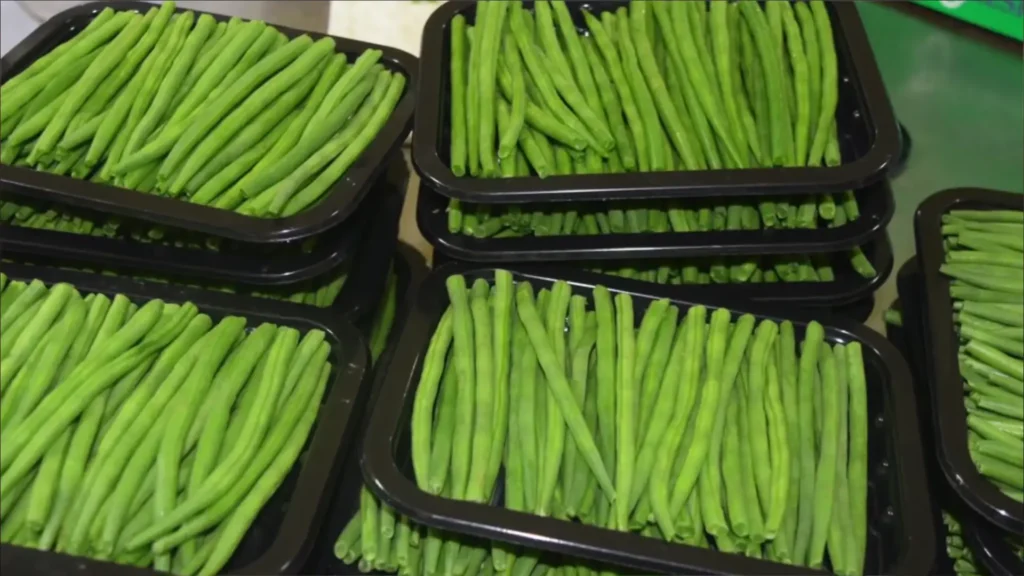
1. French Beans (Fine Beans)
- Maturity Period: 45–60 days
- Profit Potential: KES 80,000–120,000 net per acre
- Top Varieties for 2026: Amy, Monel, Serengeti, Teresa (EU-compliant varieties)
- Market Insight: Export is king here. Nairobi-based exporters like Vegpro, Sunripe, and Flamingo Horticulture actively purchase from certified outgrowers. Homegrown and Uchumi supermarkets also stock local French beans.
Pro Tip: Get GlobalG.A.P. certification through your county government’s horticulture office it will unlock premium EU prices. Water requirement is moderate; drip irrigation gives best results
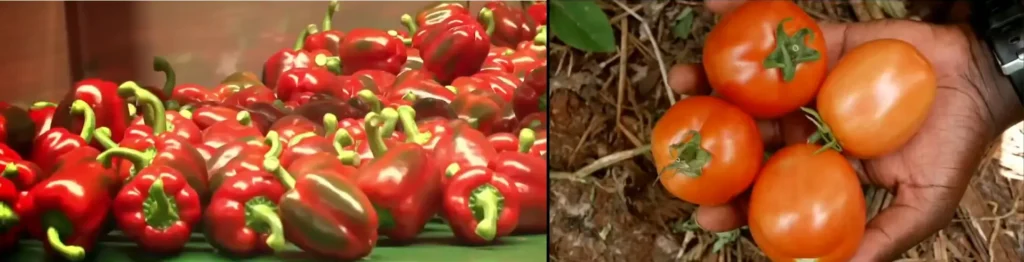
2. The Heavy Hitters: Tomatoes & Capsicum (Bell Pepper)
- Maturity Period: Tomatoes: 60–90 days | Capsicum: 70–90 days
- Profit Potential: Tomatoes: KES 100,000–200,000 net per acre | Capsicum: KES 90,000–160,000 net per acre
- Top Varieties for 2026: Tomatoes: Money Maker, Rio Grande, Tylka F1. Capsicum: California Wonder, Orion F1, Yolo Wonder
- Market Insight: Nairobi’s Wakulima Market, Naivas and Carrefour supermarkets, and institutional buyers like schools and hospitals. Capsicums increasingly find buyers in hotels, pizza chains, and food processors.
Tomatoes and capsicum thrive in medium-altitude zones between 1,200m and 1,800m. Watch out for late blight — use resistant varieties and rotate crops every season.
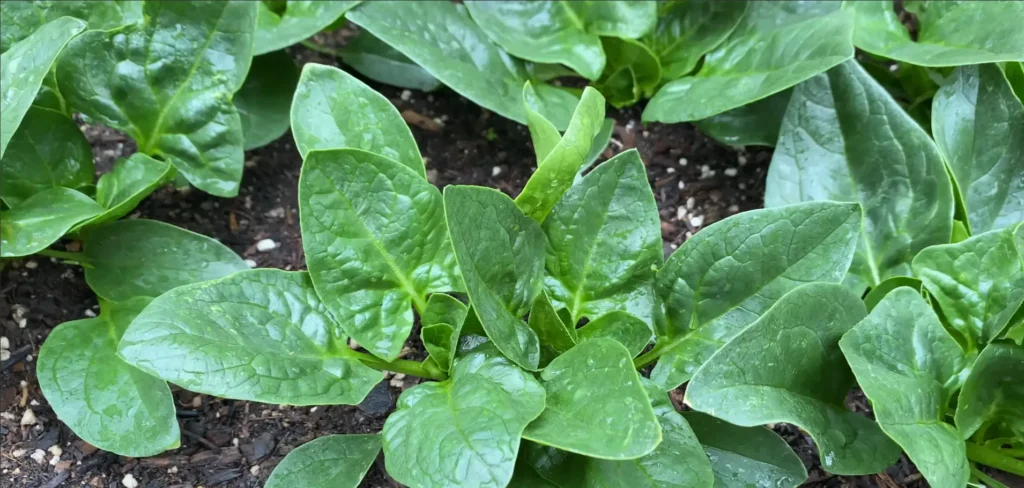
3. Baby Spinach
- Maturity Period: 30–45 days
- Profit Potential: KES 60,000–100,000 net per acre
- Top Varieties for 2026: Malabar, Bloomsdale, Viroflay
- Market Insight: Baby spinach commands premium prices in urban supermarkets (Carrefour, Naivas, QuickMart), high-end restaurants, and export packaging companies. It is one of the fastest turnaround crops available to Kenyan farmers.
Spinach loves cool, well-drained soils. Altitude zones of 1,500m and above ,think Limuru, Kinangop, or Timau produce the best yields with minimal disease pressure
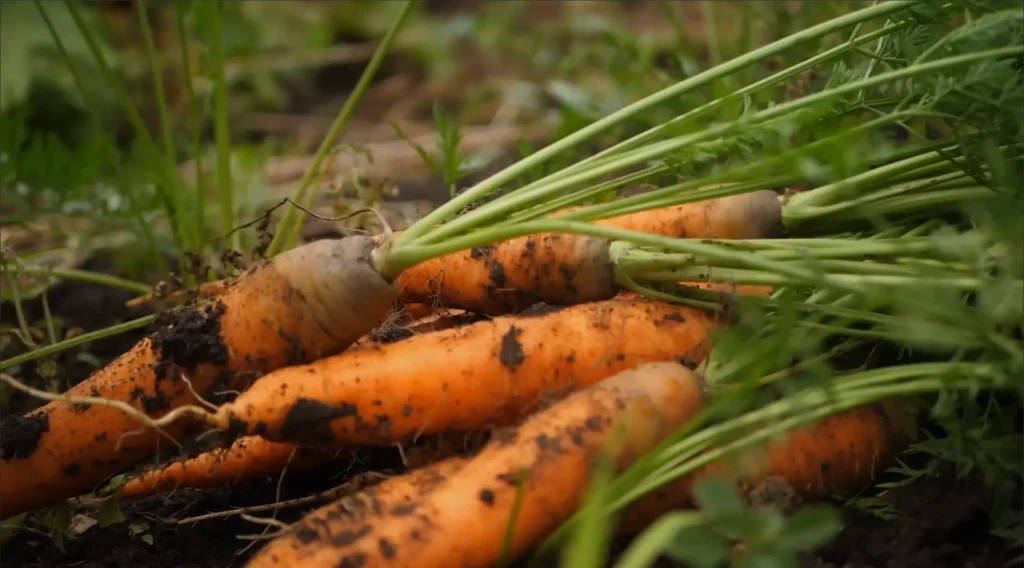
4. Nantes Carrots
- Maturity Period: 70–90 days
- Profit Potential: KES 70,000–130,000 net per acre
- Top Varieties for 2026: Nantes 2, Kuroda, Chantenay Red Core
- Market Insight: Carrefour, Naivas, and food processors like Kenchic and Del Monte Kenya regularly source carrots. Baby carrot varieties also attract export buyers. Farmers near Nakuru and Nyandarua command strong local wholesale prices.
Nantes carrots require loose, well-aerated soils (avoid clay) and consistent moisture. A successful carrot crop on irrigated land in Laikipia or Meru can yield 15–20 tonnes per acre.
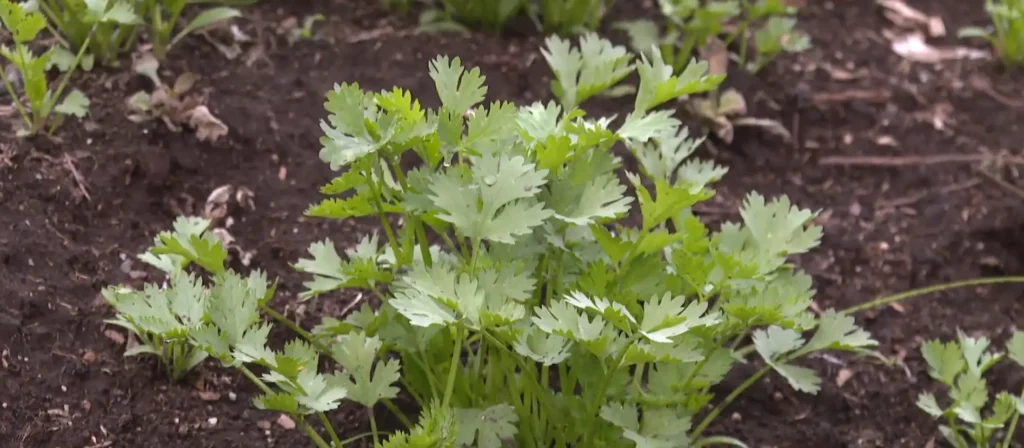
5. Coriander (Dhania)
- Maturity Period: 30–40 days
- Profit Potential: KES 50,000–90,000 net per acre
- Top Varieties for 2026: Slow-bolting or Leisure varieties for continuous harvest
- Market Insight: Hotels, Indian restaurants, local markets, and urban hawkers are all consistent buyers. Dhania is a staple in Kenyan and East African cuisine, meaning demand is year-round and predictable.
On a small half-acre plot with multiple succession plantings every two weeks, a farmer can generate income almost every month. Minimal inputs required and ideal for beginner agribusiness with low capital.
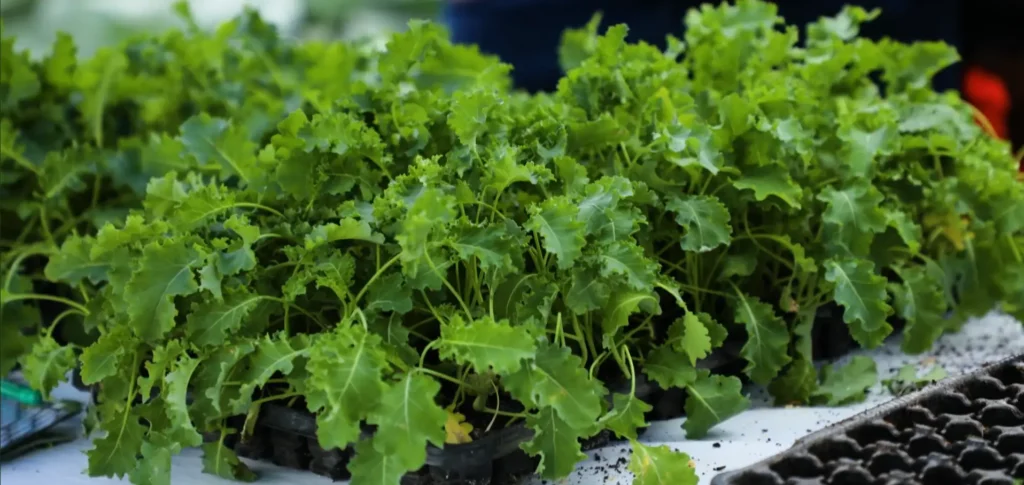
6. Kales (Sukuma Wiki)
- Maturity Period: 30–45 days
- Profit Potential: KES 40,000–80,000 net per acre
- Top Varieties for 2026: Thousand-Headed Kale, Marrow Stem, Collard Improved
- Market Insight: Kenya’s most consumed vegetable. Local markets, market women, school feeding programs, and informal settlements all ensure consistent demand. While margins are lower per unit, volume and speed make it profitable.
Sukuma wiki tolerates a wide range of soils and altitudes, making it accessible across almost all farming zones. Combine with higher value crops for maximum per-acre return.
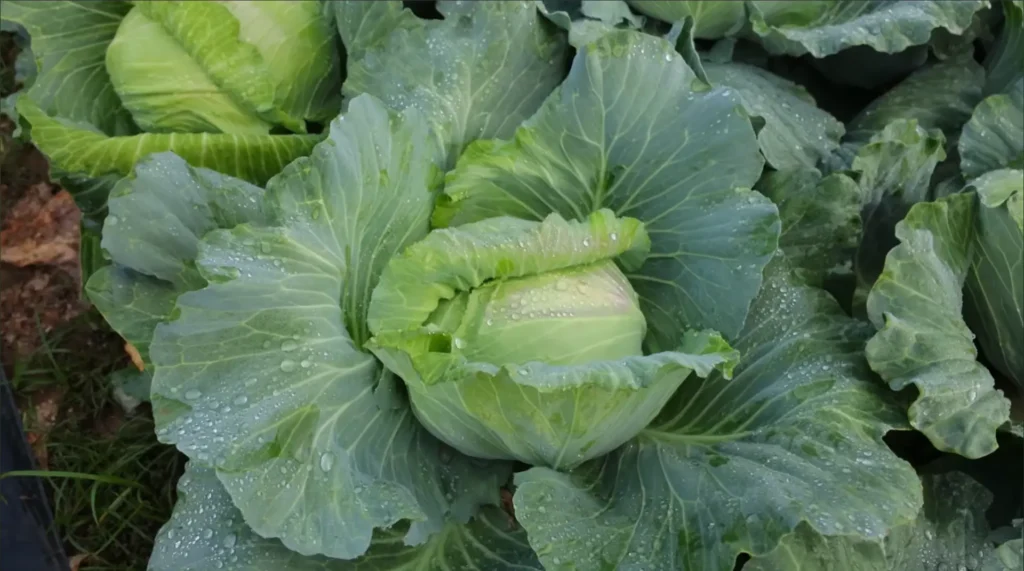
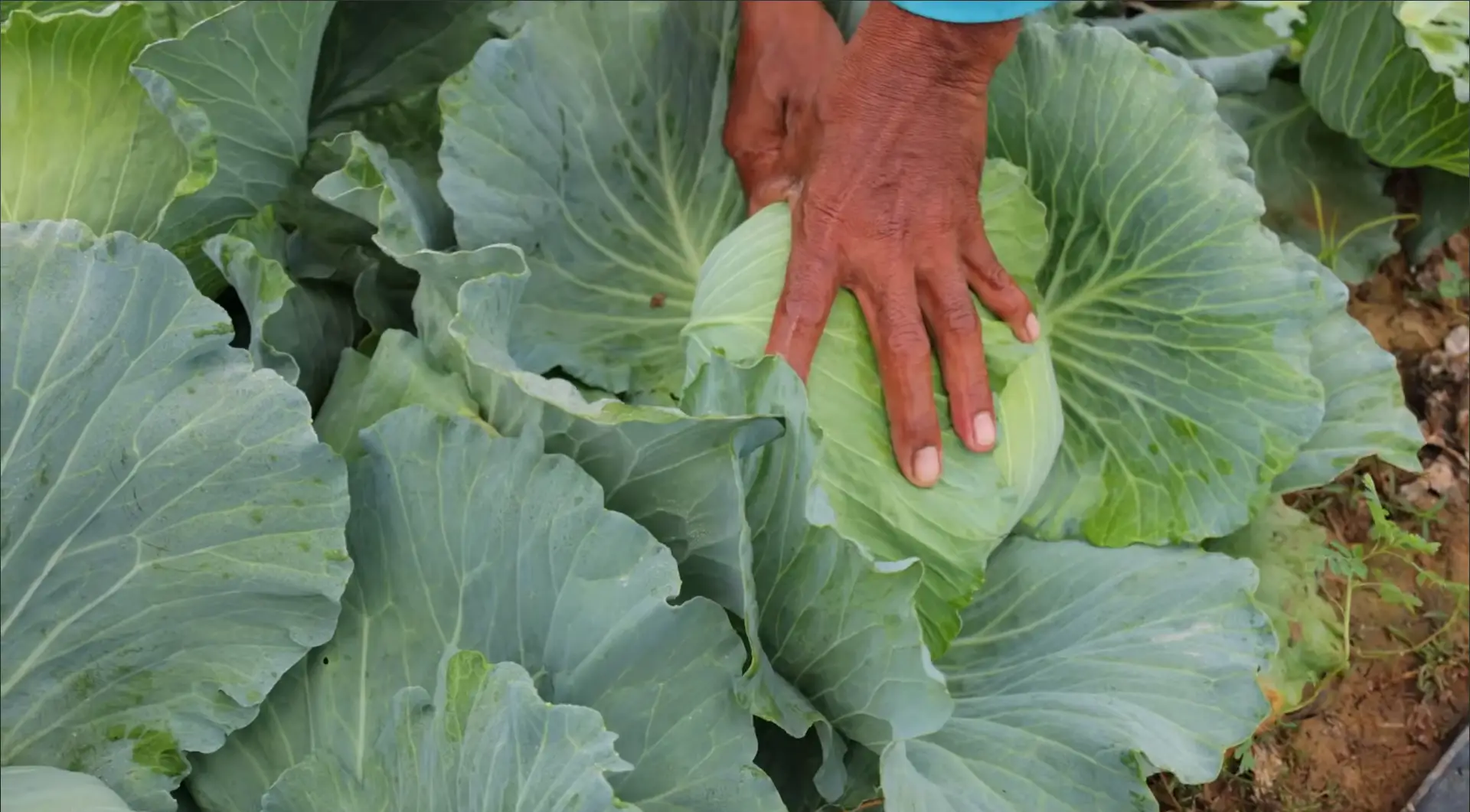
7. Cabbages
- Maturity Period: 60–80 days
- Profit Potential: KES 55,000–110,000 net per acre
- Top Varieties for 2026: Copenhagen Market, Gloria F1, Star 3301 F1
- Market Insight: Wholesale vegetable traders, hotels, schools, and urban supermarkets. Cabbage is particularly strong in the Rift Valley, where high altitude areas like Molo and Timau produce tight, dense heads favoured by buyers.
Irrigated cabbage on one acre can yield 20,000–30,000 kg under optimal conditions. Timing your harvest ahead of the market glut avoid January/February when school farms also harvest will protect your margins
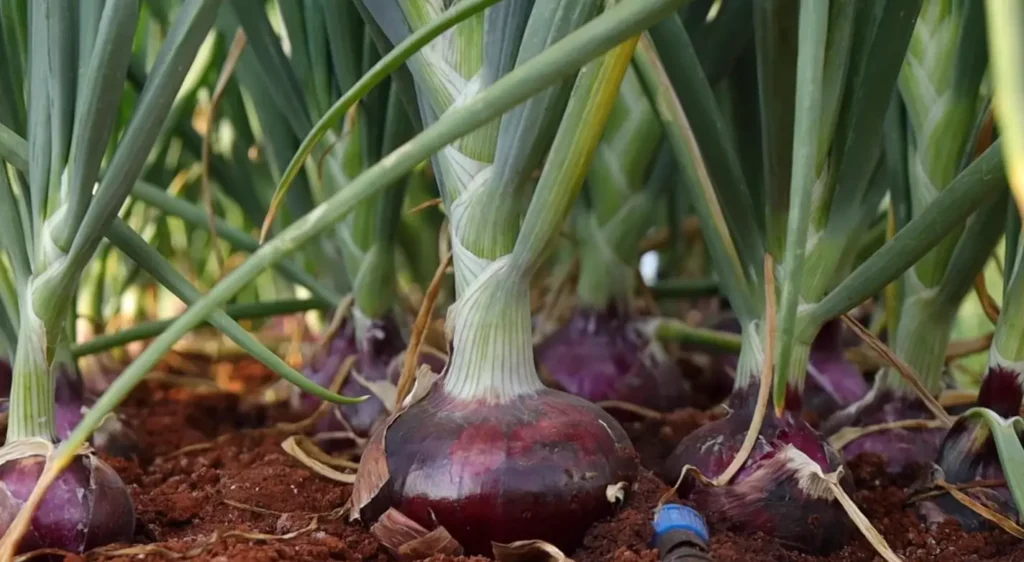
8. Onions
- Maturity Period: 90–120 days (the longest on this list, but high value justifies inclusion)
- Profit Potential: KES 80,000–150,000 net per acre
- Top Varieties for 2026: Red Creole, Jambar F1, Bombay Red
- Market Insight: Kenya imports large quantities of onions from Tanzania and Egypt yet local production is far from meeting demand. Wholesale markets, supermarkets, and export to South Sudan and DRC are all viable channels.
Samburu in Laikipia, Oloitoktok near Amboseli, and parts of the Kerio Valley have emerged as premium onion growing zones. Storage after harvest can also increase profit significantly.

9. Snow Peas & Sugar Snap Peas
- Maturity Period: 50–70 days
- Profit Potential: KES 90,000–170,000 net per acre
- Top Varieties for 2026: Oregon Sugar Pod, Oregon Giant, Sugar Ann
- Market Insight: Export-oriented market. EU and UK buyers pay premium prices for well-managed snap peas. Nairobi-based export companies aggregate from outgrower networks across Central Kenya, Meru, and Nyandarua.
Snow peas need cool temperatures (below 25°C) and well-drained, fertile soils. This crop has a zero tolerance policy on pesticide residue always follow exporter guidelines strictly.
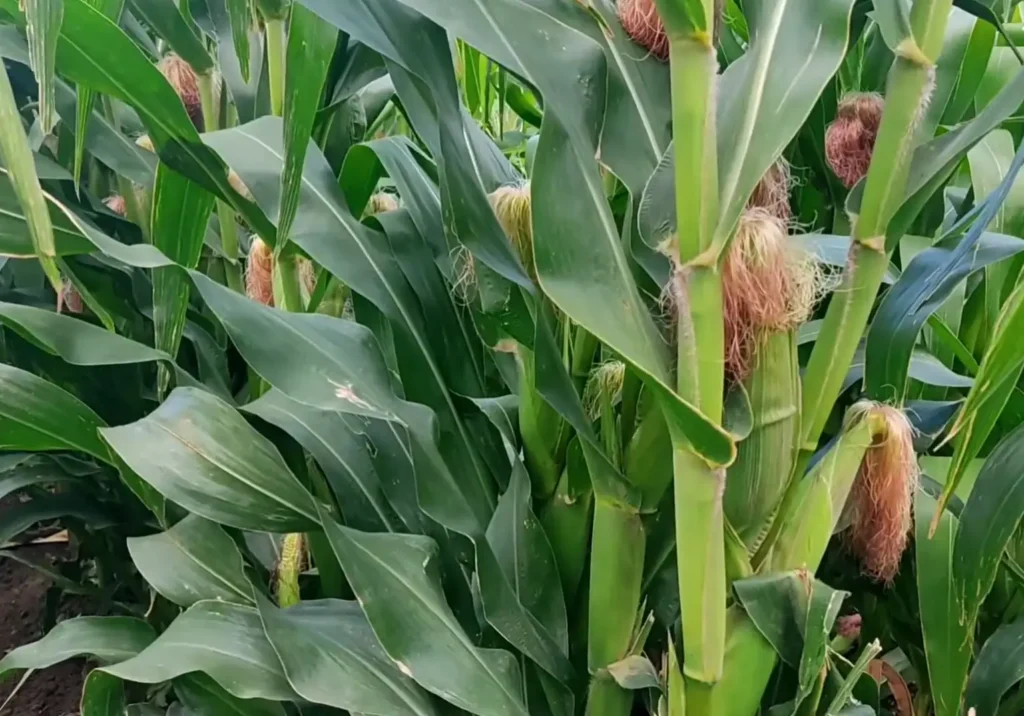
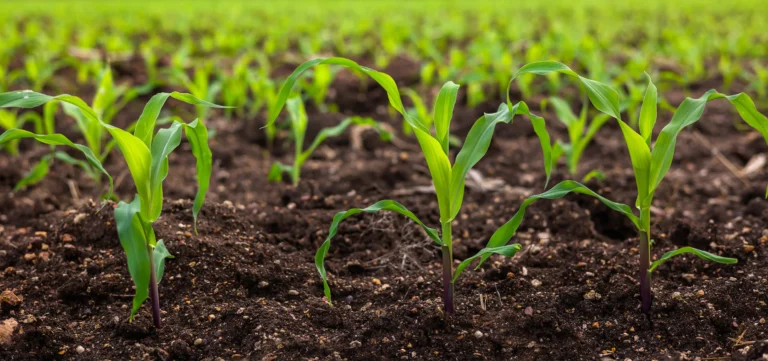
10. Baby Corn
- Maturity Period: 55–75 days
- Profit Potential: KES 70,000–120,000 net per acre
- Top Varieties for 2026: Hybrid Baby Corn F1, Asian Baby Sweet varieties
- Market Insight: Hotels, Chinese and Asian restaurants, and food processors. Export to the Middle East and Asia is growing. Baby corn is harvested before pollination, meaning multiple harvests per season are possible.
Baby corn is still an emerging market in Kenya, giving early movers a significant pricing advantage. It grows well in warm lowland areas of Mwea, Machakos, and Kirinyaga. Coordinate with hotel procurement teams or export buyers before planting.
Top 10 Short-Term Crops That Make Money Fast in Kenya & East Africa
2026 Profitability Guide · Net profit estimates per acre in KES · Powered by Lima.co.ke
| # | Crop | Maturity | Net Profit / Acre (KES) | Best Market | Risk Level |
|---|---|---|---|---|---|
| 1 | French Beans Fine Beans — EU Export Grade | 45–60 days | 80,000 – 120,000 | Export / EU | Low–Med |
| 2 | Tomatoes Money Maker, Rio Grande, Tylka F1 | 60–90 days | 100,000 – 200,000 | Local Markets | Medium |
| 3 | Capsicum (Bell Pepper) California Wonder, Orion F1, Yolo Wonder | 70–90 days | 90,000 – 160,000 | Supermarkets | Low–Med |
| 4 | Baby Spinach Malabar, Bloomsdale, Viroflay | 30–45 days | 60,000 – 100,000 | Hotels / Supermarkets | Low |
| 5 | Nantes Carrots Nantes 2, Kuroda, Chantenay Red Core | 70–90 days | 70,000 – 130,000 | Processors / Export | Low |
| 6 | Coriander (Dhania) Slow-bolting / Leisure varieties | 30–40 days | 50,000 – 90,000 | Local / Restaurants | Low |
| 7 | Kales (Sukuma Wiki) Thousand-Headed, Marrow Stem, Collard Improved | 30–45 days | 40,000 – 80,000 | Local Markets | Very Low |
| 8 | Cabbages Copenhagen Market, Gloria F1, Star 3301 F1 | 60–80 days | 55,000 – 110,000 | Wholesale Markets | Low |
| 9 | Onions Red Creole, Jambar F1, Bombay Red | 90–120 days | 80,000 – 150,000 | Export / Wholesale | Medium |
| 10 | Snow Peas & Sugar Snap Oregon Sugar Pod, Oregon Giant, Sugar Ann | 50–70 days | 90,000 – 170,000 | Export / EU / UK | Low–Med |
Special Section: Climate-Resilient Fast Earners for 2026
Kenya’s 2026 farming calendar has been complicated by back-to-back seasons of erratic rainfall, prolonged dry spells in ASAL counties, and waterlogging in the Lake Victoria basin. For farmers in these vulnerable zones, the answer is not to stop farming it is to adapt.
Drought-Resistant Beans (KARI Nyota, KK 22, Selian 97)
- Maturity Period: 60–90 days
- Profit Potential: KES 40,000–75,000 net per acre
Kenya Agriculture Reforms & Innovations (KARI) approved drought tolerant bean varieties have been game changers for Makueni, Kitui, and Embu farmers. They can withstand up to 21 days without rainfall, reducing total crop failure risk. Beans also fix nitrogen in the soil, improving fertility for the next crop cycle. Sell to local grain traders, NCPB depots, or school feeding programmes.
Cassava (Miaka 1, Serere 25, Tajirika)
- Maturity Period: 4–6 months (slightly beyond our range, but fits as a climate anchor crop)
- Profit Potential: KES 50,000–100,000 net per acre once processed
While slightly longer than four months, cassava earns its place here as the ultimate climate insurance crop. It tolerates poor soils, irregular rainfall, and even pest pressure better than almost any other food crop. With the rise of cassava flour processing blended with wheat flour under the government’s 10% blending policy there is now a formal off take market.East African Breweries PLC (EABL) also sources cassava as a raw material for certain product lines, creating an emerging agro industrial opportunity. For farmers in Homa Bay, Busia, Kilifi, and Taita Taveta, cassava is both food security and income security.
Spider Plant (Cleome gynandra / Saget)
- Maturity Period: 30–45 days
An emerging climate smart leafy vegetable, spider plant is highly drought tolerant, nutritious, and increasingly demanded by health conscious urban consumers and export buyers in Europe. Very low input cost and zero irrigation dependency in moderate rainfall areas make it an excellent low capital starter crop.
Getting Started: Your 2026 Agribusiness Checklist
Before you plant a single seed, take these steps seriously. They are what separate profitable farmers from frustrated ones.
- Soil Testing — Visit your nearest Kenya Agricultural and Livestock Research Organisation (KARLO) office or use private soil labs like EAF Agrochemicals or Davis & Shirtliff AgriSolutions. A soil test costs KES 1,500–3,500 and could save you from a failed crop. Know your pH, nitrogen, potassium, and phosphorus levels before buying any fertilizer.
- Certified Seed Sourcing — Buy seeds only from Kenya Plant Health Inspectorate Service (KEPHIS)-certified agrovets, which are listed on the Lima App or directly from Kenya Seed Company, Simlaw Seeds, East African Seed, or Seed Co Kenya. Counterfeit seeds are a real problem in rural markets. Certified seeds cost slightly more but protect your entire investment.
- Irrigation Setup — Drip irrigation is now the gold standard for high value vegetable production in Kenya. A basic one acre drip system costs KES 35,000–80,000 and typically pays for itself within two harvest cycles. Government programmes like the National Irrigation Authority (NIA) and county agricultural offices sometimes subsidize installation for smallholders.
- Market Linkage Before Planting — Do not plant and then look for buyers. Identify your market first. Approach supermarket procurement officers, hotel purchasing managers, or export aggregators. Apps like Lima, Twiga Foods, AgroStar, and M-Farm can connect you to verified buyers in real time.
Final Thoughts: Grow Smart, Earn Fast
The 2026 farming year rewards discipline and information. The crops listed above are not secrets they are proven, market tested options that consistently deliver returns within one to four months. What separates the farmers who profit from those who struggle is preparation: testing your soil before planting, sourcing certified seeds, connecting to reliable markets (LIMA App), and using irrigation to control your water supply rather than depending on rain alone.
Start with one or two crops from this list, master them, then expand. Agribusiness in East Africa is one of the most resilient paths to financial independence but only when done with intention. Choose your crop, prepare your land, and let 2026 be your most profitable farming year yet.