Too Powerful, Too Expensive? Why Fendt and John Deere Struggle in Kenya
Agriculture is the backbone of Kenya’s economy, employing over 40% of the workforce and sustaining millions of livelihoods. From smallholder plots to large tea and horticultural export farms, farming feeds families and drives business across the country. Yet, many farmers still rely on manual tools or basic machinery, while high-end tractors like Fendt and John Deere remain rare on Kenyan fields.
The barriers to adopting such advanced tractors are significantly influenced by high costs, limited access, and financing challenges making them out of reach for most farmers. But Kenya’s agricultural sector is evolving. Digital innovations are transforming farming, and platforms like the Lima app are leading the way. By helping farmers sell produce efficiently, access markets, and connect with modern farm equipment Lima is empowering farmers to move from survival farming to profitable, technology-driven agriculture.
1. High Initial Purchase Cost
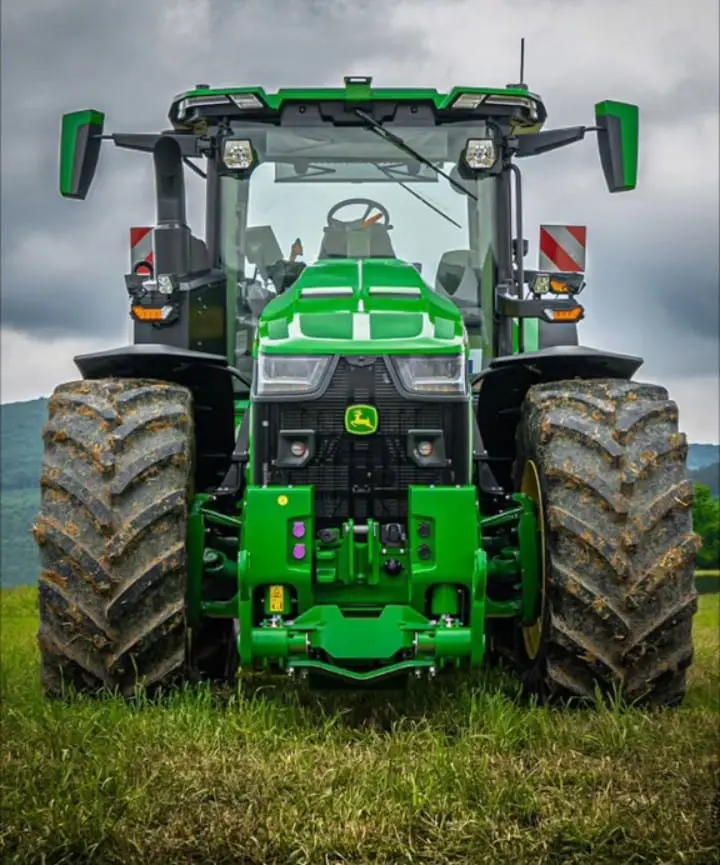
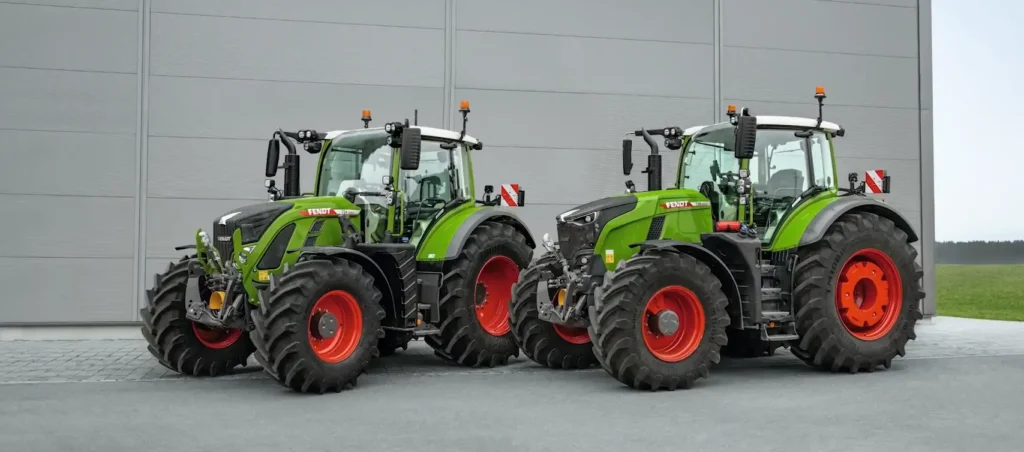
One of the biggest barriers to adopting premium tractors such as Fendt and John Deere is their high purchase price. These machines are engineered with advanced technology, including GPS guidance systems, computerized engine management, precision hydraulics, and ergonomic operator cabins — features that significantly increase their cost. As a result, a new Fendt tractor can start from around KSh 8.5 million, depending on the model and specifications. Similarly, John Deere tractors in the same class are priced several times higher than more basic brands available in the Kenyan market.
For many smallholder farmers in Kenya, whose farms often span only a few acres and whose annual incomes are modest, this upfront investment is simply out of reach. Even larger commercial farmers remain cautious about committing such substantial capital to machinery, especially when they must also allocate funds to irrigation systems, quality seeds, fertilizers, labor, and other essential farm inputs. In such an environment, affordability often outweighs advanced features.
2. Availability of Spare Parts
One of the significant maintenance challenges faced by Kenyan farmers is the scarcity of spare parts. Tractors require a constant supply of parts to keep them running, but these parts are often in short supply in rural areas.
- Limited availability of genuine parts
- Long lead times for ordering parts
- High costs associated with importing parts
Example:
In Eldoret, a commercial maize grower once ordered a fuel injection pump for his imported tractor. The part took over six weeks to arrive and cost twice as much as a similar part for a locally common brand. During that time, the tractor was idle in the field.
3. The Fuel Efficiency Paradox
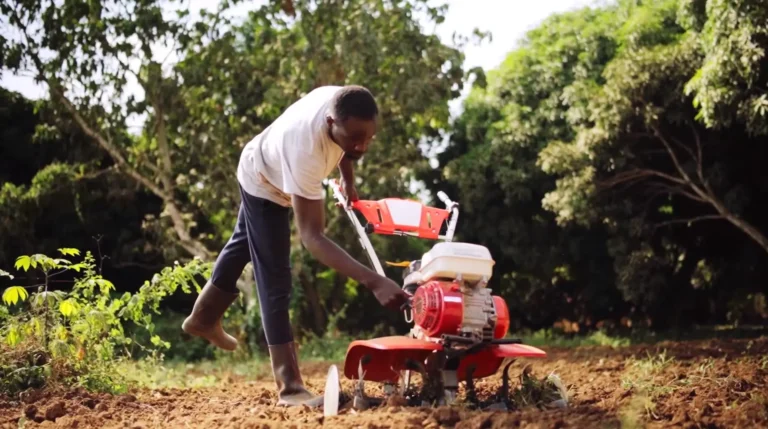
While premium tractors may be designed for fuel efficiency over long hours and large fields, their advanced engines may not always suit the typical Kenyan farming cycle. Smallholders often use tractors for short bursts of work—ploughing several acres at a time—where fuel savings are less significant. For these farmers, reliability and simplicity matter more than marginal gains in fuel efficiency.
Furthermore, the higher operating costs—including pricier lubricants and filters—add up over time, making premium tractors less cost-effective for day-to-day small-scale use.
4. Suitability to Small Farms
Kenya’s average farm size is small, often under 5 acres. Navigating these compact, sometimes irregular plots with a massive, high-horsepower tractor is like using a sledgehammer to crack a nut—it’s overkill and impractical. Smaller, more nimble tractors in the 50-85 HP range from Kubota or Massey Ferguson are perfectly suited to the scale of operations. They are easier to maneuver, cause less soil compaction, and are simply the right tool for the job.
Furthermore, the terrain matters. In hilly areas or regions with soft soil, a lighter tractor is often a safer and more sensible choice. The sheer weight and power of a large Fendt can be a disadvantage, not an asset.
5. Financing Challenges
Access to financing is a lifeline for agricultural investment. However, local banks and agricultural finance institutions are often more familiar and comfortable with the established resale value and repair costs of mainstream brands. Securing a loan for a widely recognized Massey Ferguson is a straightforward process. Financing a niche, ultra-expensive luxury tractor is seen as a far riskier venture for both the bank and the farmer, making it an inaccessible dream for most.
6. Governmental Support and Access to Credit
Lastly, access to credit and support from the government plays a significant role in the ownership of high-end tractors. Strong agricultural policies, improved access to loans, and awareness of the benefits of modern machinery could pave the way for increased use of brands like Fendt and John Deere in the future. However, currently, many farmers lack the financial systems necessary to support such investments.
Conclusion: When Premium Tractors Make Sense
Although high-end tractors like Fendt and John Deere offer advanced technology and efficiency, their adoption in Kenya remains limited. The barriers of cost, maintenance, adaptability, cultural practices, and access to credit create a complex environment that often favors more affordable, practical farming solutions. As the agricultural landscape in Kenya evolves, it will be interesting to see whether these premium brands find a foothold among the hardworking farmers who form the backbone of this vibrant economy.
In the meantime, understanding and addressing these challenges will be key to promoting more sustainable and efficient farming practices across the country.